Hong Kong’s hostel conversion scheme seen reviving office sector
The program, which streamlines approvals, could save developers six to nine months.
A government scheme allowing commercial buildings to be converted into student hostels is expected to breathe new life into Hong Kong’s struggling office market, where prices and rents have been falling since last year.
“Owners of existing underperforming Grade B or C office buildings will see an opportunity to give those buildings a new lease on life,” Shaman Chellaram, senior director at property consultancy Colliers, told Hong Kong Business.
“No additional procedures will be required for converting existing commercial properties. This could save them about six to nine months,” he said in an interview.
In the last quarter of 2024, prices of Grade B and C offices fell 20%, while rents dropped more than 5%, according to data from the Rating and Valuation Department.

Rents and capital values continued to decline across almost all commercial property segments in the first quarter this year, according to Jones Lang LaSalle, Inc.
The office sector’s vacancy rate had risen to 13.7% by the end of March, with rents slipping 1.3% quarter on quarter.
Launched on 21 July by the Development Bureau and Education Bureau, the Hostels in the City Scheme allows buildings on land zoned as commercial to be converted into student hostels. Industrial buildings are excluded.
The program classifies student hostels as non-domestic buildings, letting them have more floor space than standard residential projects.
“We can now preserve those spaces such as parking lots or other commercial zones and convert them into game zone, activity room and study room,” said Gary Chan, assistant marketing manager at Y.X., one of Hong Kong’s biggest student accommodation providers.
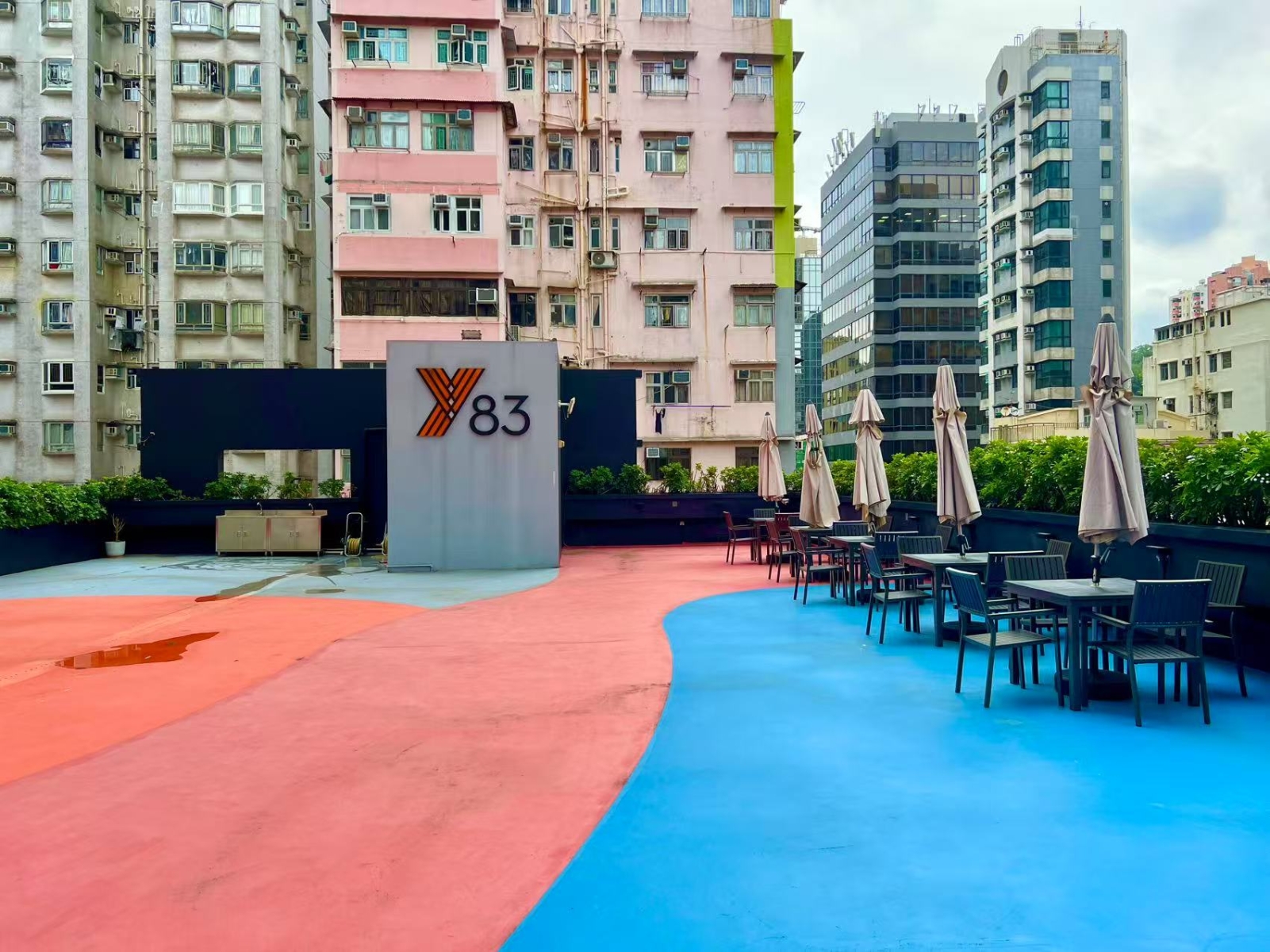
Y.X. bought a 25-storey office tower in Hung Hom together with its fund partner AEW for $1.65b in 2022 and converted it into a 600-bed student hostel.
Chellaram noted that third-party investors have been increasingly drawn to the student accommodation sector. “It not only gives them land appreciation but also provides a de-risked cashflow as students would pay rents in advance,” he pointed out.
The number of University Grants Committee-funded students topped 100,000 in the 2024-2025 academic year, up 8.1% from 2020-2021. As of 2024, more than 333,600 students had been enrolled in Hong Kong’s higher education institutions.
Colliers projects demand for student beds to reach 120,000 by 2028, far outstripping the 48,000 supply, about 3,500 of which are from student hostels.
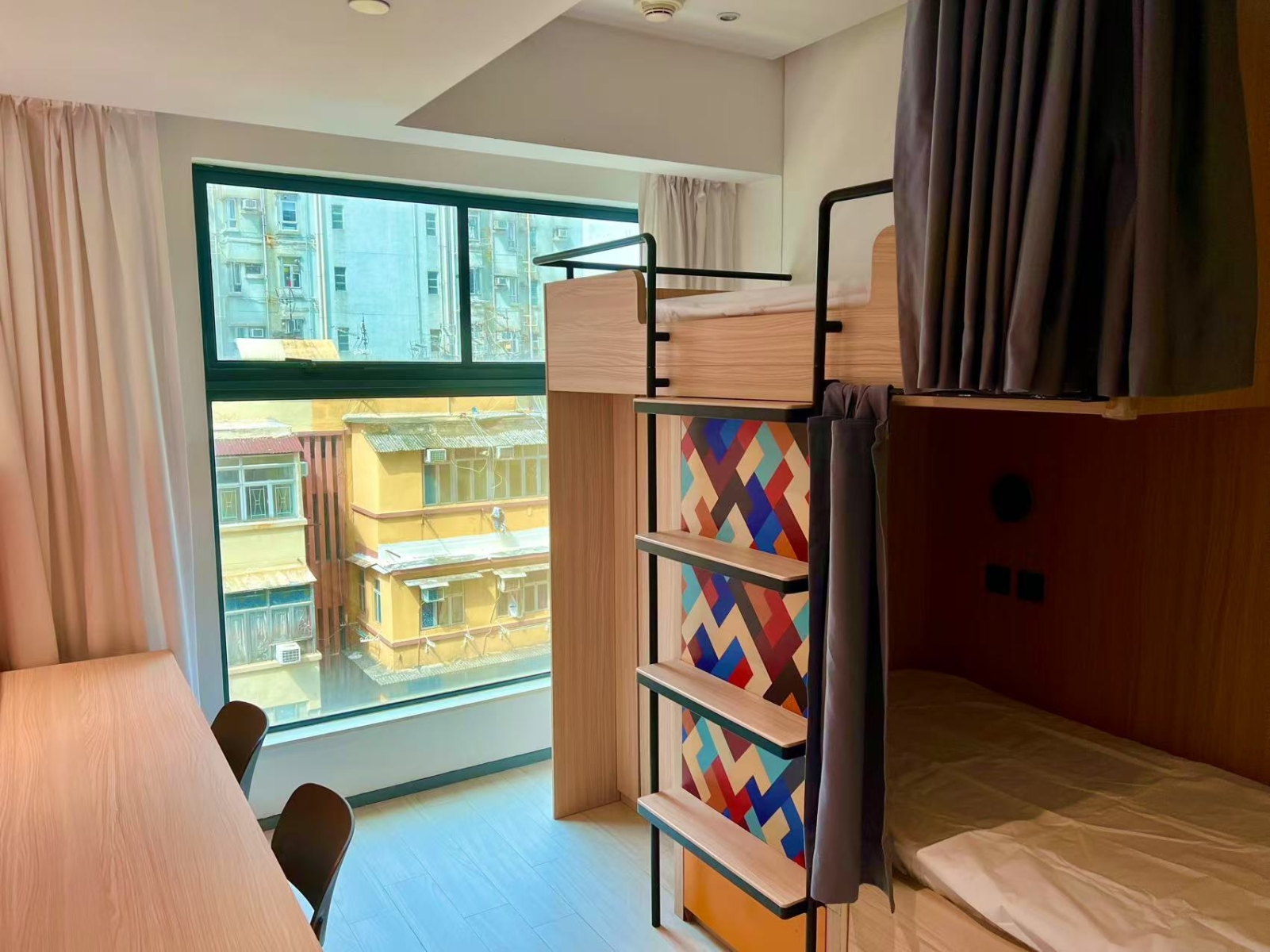
Despite strong interest, developers face hurdles in finding suitable properties. “We have met buildings with excellent conversion conditions but failed to have an agreement because of the price,” Chan said in a separate interview. “Sometimes when the price is good, the building doesn’t meet conversion requirements like transportation or size.”
Other challenges include rising operational costs from amenities such as gyms and study rooms, as well as the scheme’s 18-month renovation limit and the rule that 90% of units be reserved for university students.
“The market would absorb the increase of new student hostels in the short term, but it will get more competitive as more players join in,” Chellaram said.





















 Read Here
 Advertise
 Sign Up