Hong Kong ride-hailing law could push fares higher and wait times longer
Capping permitted vehicles could trigger supply shortages.
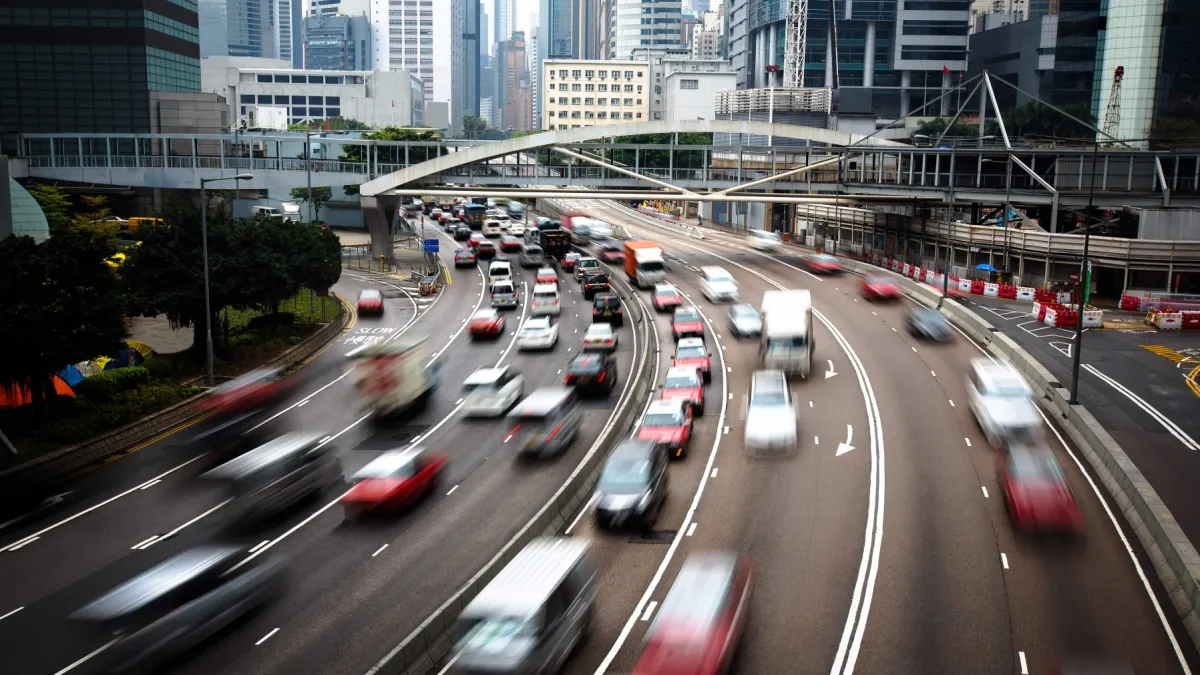
Hong Kong’s ride-hailing licensing law could limit vehicle numbers and increase compliance costs, analysts said.
Platforms might need to allot more resources to legal compliance and data reporting, Chi Sum Li, head of government and public sector at KPMG China, told Hong Kong Business.
“They would need to focus on revenue per licensed driver and vehicle, not just maximising the number of drivers,” he pointed out.
Capping permitted vehicles could trigger supply shortages, Chi said. “This would result in higher fares, extended passenger wait times, and diminished service quality,” he said in an emailed reply to questions.
The Road Traffic (Amendment) (Ride-Hailing Service) Bill 2025, passed in October, sets up a framework for licensing platforms, vehicles, and drivers. Detailed rules on permits and operations are expected through another legislation in the first half.
Unlicensed platforms face fines of as much as $1m and imprisonment for up to 12 months, Johnny Ho, a partner at Robertsons Solicitors, said.
The law addresses gaps that allowed ride-hailing services to operate without oversight for years. Past incidents, such as a 2015 police raid on Uber Technologies, Inc.’s Hong Kong office, highlighted the risks of unregulated operations.
The legislation also clarifies passenger safety and insurance coverage, Ho said, noting that standard private car policies often exclude commercial use.
These gaps created risks to passengers, inadequate insurance, and unfair competition for taxis, he pointed out.
Ride-hailing vehicles will only be allowed to provide trips booked through licensed platforms and cannot pick up street hails, which remain reserved for taxis, Wilfred Ng, a partner at Bird & Bird (Hong Kong) LLP, said in an email.
Chi said the law could push the taxi industry to modernise, including electronic payments and improved service standards.
Ride-hailing platforms may adopt subscription or membership pricing to build customer loyalty.
The framework affects drivers as well. Cars must be registered to them and used solely for ride-hailing.
Whilst some stakeholders suggested multiple drivers per vehicle could improve efficiency, the government kept the restriction to maintain traceability, rule enforcement, and insurance compliance, Ng said.
Platforms must demonstrate operational experience, financial capacity, and management competence.
Vehicles must meet age, inspection, and insurance requirements. Enforcement is stronger: drivers caught offering illegal rides could face driving bans of 12 months to three years, Ho added.

























 Read Here
 Advertise
 Sign Up