Hong Kong eyes cross-border drones, air taxis in Greater Bay Area
Routes connecting the city to Shenzhen could slash last-mile delivery costs.
Hong Kong may soon see cross-boundary drone deliveries and air taxi services linking cities in the Greater Bay Area, as authorities and businesses test low-altitude aircraft under the Regulatory Sandbox X initiative.
The area, home to more than 87 million people, offers a large market for such services, Steven Lui, technical director for traffic and transportation planning at AECOM Asia Co. Ltd., told Hong Kong Business.
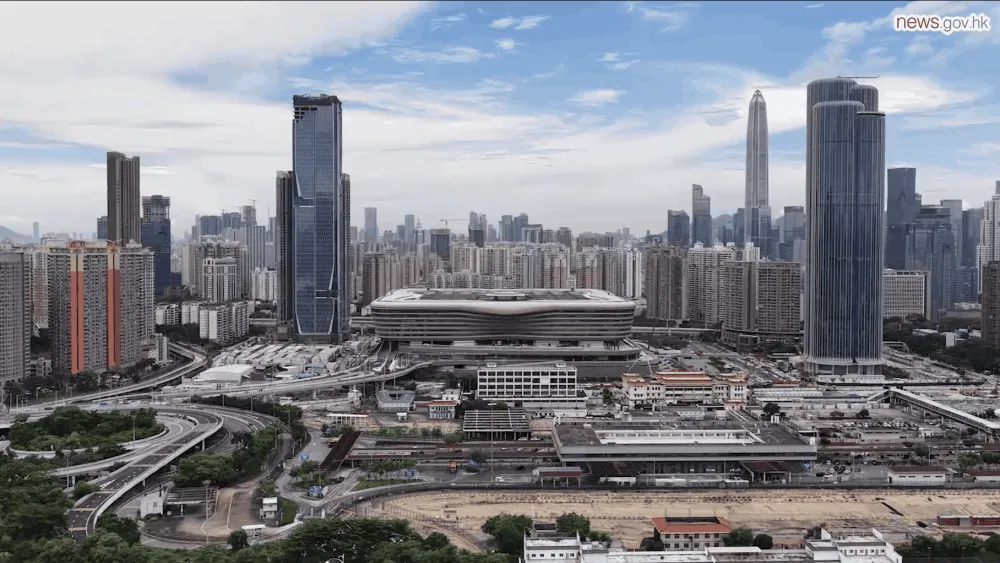
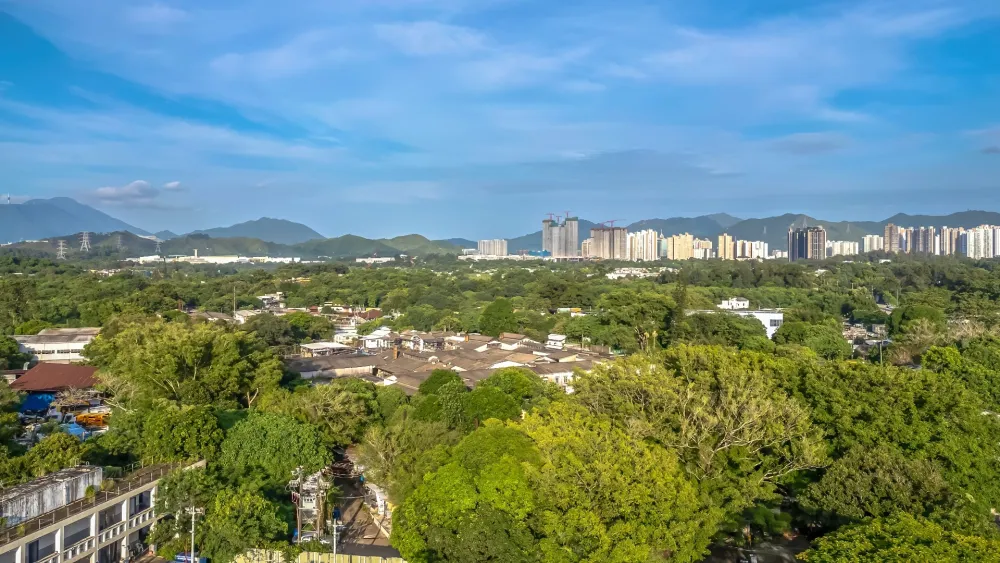
Routes connecting Hong Kong’s Northern Metropolis with Shenzhen could cut last-mile delivery costs and times for urgent goods such as medical supplies and electronics.
Passenger mobility is also a potential avenue, he pointed out. “Electric vertical take-off and landing aircraft can complement existing road and rail networks, offering faster options,” Lui said in an emailed reply to questions.
Regulatory Sandbox X, launched in November, builds on the city’s 2025 Low-Altitude Economy Regulatory Sandbox.
The earlier programme approved 38 pilot projects, 32 of which are operational along designated routes.
Sandbox X has rolled out 29 projects spanning emergency rescue, logistics, inspections, maintenance, surveillance, and low-altitude infrastructure.
Samuel Lam, CEO at X Social Group Ltd., said the expanded sandbox helps companies trial technologies whilst authorities develop measurable safety standards.
“We see strong adoption in infrastructure inspection, such as the Mass Transit Railway using drones to inspect tunnels,” he said in an emailed reply to questions.
He also cited financial-sector applications, including drone reliability indexes that could let insurers offer pay-per-use or real-time coverage.
Scaling the technology will require coordinated low-altitude traffic management in Hong Kong’s dense airspace.
Lui noted that multiple drones operating simultaneously—often from different manufacturers—will need integration with construction and infrastructure activities to avoid collisions.
Lawrence Iu, executive director at think tank Civic Exchange, said regulatory hurdles remain. Aviation safety rules restrict drones from flying beyond the operator’s line of sight (BVLOS) in populated areas.
Hong Kong’s crowded airspace also presents challenges. “Integrating low-altitude traffic safely with existing air routes will require robust traffic management systems and clearly defined flight corridors,” he said in an email.
Still, the sandbox model lets regulators collect operational data and user feedback before formal rules are enacted.
Trials are expected to inform clearer standards on BVLOS operations, data reporting, and cross-border coordination, paving the way for wider adoption of drone logistics and urban air mobility in the city, he added.
















 Read Here
 Advertise
 Sign Up