AI is reshaping trade through investment
How Hong Kong businesses can navigate evolving supply chains and financing needs
Artificial Intelligence (AI) is reshaping trade because it relies on physical inputs as well as software—from semiconductors and servers to networking gear, power infrastructure and industrial metals. AI‑related goods accounted for almost 50 per cent of global trade growth in the first half of 2025 and rose by 20 per cent year‑on‑year, underlining how quickly demand is accelerating.
Independent estimates point to a similar story. McKinsey & Company’s McKinsey Global Institute (MGI) suggested shipments of data-centre hardware rose by around 40 per cent in 2025 and contributed about one-third of global trade growth. Across major economies, AI-related goods are growing much faster than other traded categories, suggesting that a growing share of goods trade is being pulled along by the buildout of AI infrastructure.
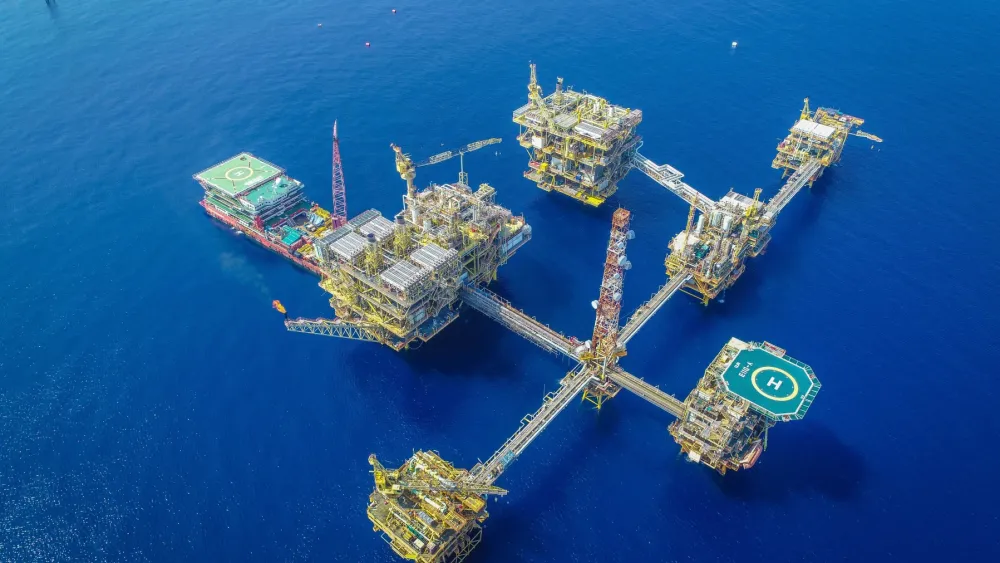
This reflects how global and interdependent AI supply chains have become. A single data centre can combine software and system design in one country with chip fabrication in Taiwan, lithography tools from the Netherlands, memory from Korea, packaging and testing in Southeast Asia, turbines manufactured in Mexico and copper sourced from Chile. Long before any model is deployed, multiple international supply chains are activated across minerals, advanced manufacturing equipment, electrical machinery, cooling systems, specialist engineering and construction. The result is that AI’s trade impact extends well beyond the technology sector itself.
AI’s largest impact on trade may ultimately come through investments as firms race to build capacity and capture productivity gains. AI spending is no longer a narrow technology budget line. It is becoming an infrastructure cycle, driving demand not only for hardware but also for the energy and cooling systems needed to run it, as well as the upstream raw materials that enable both. Trade remains central to making this boom possible, and the businesses that invest early, secure resilient supply chains and access the right financing will be best placed to lead the next phase of globalisation.
What clients are asking for—and how trade solutions can help
This shift is creating opportunities. However, as projects scale across markets, businesses also need resilient trade networks, flexible working-capital structures, and partners who understand the practical realities of cross-border delivery and payment cycles.
Business needs are becoming increasingly specific—and they map closely to trade and working capital solutions:
- Pay suppliers earlier, without stretching the balance sheet (long lead times, multi-tier suppliers) → Supply Chain Finance, Dynamic Discounting
- Keep projects moving when cash comes in later (milestone billing, acceptance-based payments, longer implementation cycles) → Receivables Finance (subject to auditor opinion), Guarantees / Standby Documentary Credits
- Support growth into new markets with more confidence over buyer payment risk (open-account terms, overseas buyers) → Structures that can be supported by trade credit insurance; risk-mitigation instruments such as Guarantees/SBLCs where appropriate
This is why many businesses are moving away from “single-invoice thinking” towards financing that reflects how AI is delivered: across goods, services and projects, with cash tied to milestones, performance and operational reality.
Helping businesses build with confidence
For businesses operating in this environment, the priority is financing that keeps pace with how money moves through an AI value chain—across suppliers, milestones and borders, not just against a single invoice.
Companies managing extensive supplier ecosystems may need working capital that reaches multiple supplier tiers, not just direct vendors. And as procurement shifts toward open-account trading for goods and services, businesses also need more efficient ways to pay suppliers and subcontractors directly.
Businesses waiting on milestone-based payments may need ways to improve cash flow and optimise the balance sheet before final acceptance or delivery. They may also require structures that allow them to extend credit with confidence, supported by trade credit insurance where appropriate.
HSBC brings together its international network, trade expertise, and working capital capabilities to help businesses manage these financing, payment and risk needs across markets.
As the AI economy continues to mature, companies will need to manage the evolving international supply chains and maintain financial flexibility as they grow. For many of the businesses, Hong Kong is a practical platform to coordinate that cross-border complexity—and HSBC can support them to expand with greater certainty over cash flow and risk.
To know more about HSBC and its solutions, click here.
















 Read Here
 Advertise
 Sign Up