Gov’t eyes regional green maritime fuel chain
Its First Five-Year Plan will link the city to South China’s production.
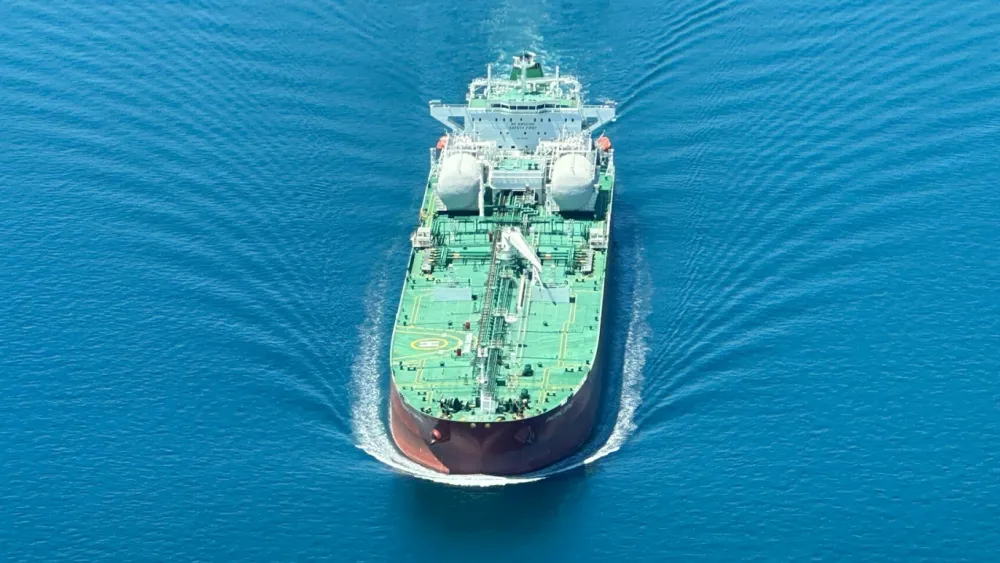
Hong Kong plans to develop a regional green maritime fuel supply chain, with South China handling production, storage, and transport, whilst the city serves as the bunkering and trading point.
The plan was unveiled on 16 September as Hong Kong’s first Five-Year Plan for Economic and Social Development, covering key sectors including maritime.
The government plans to collaborate with the Pan-Pearl River Delta cities to develop Hong Kong-centric green energy corridors, whilst studying the co-development of a complete green and low-carbon industrial chain and supply chain for new energy vessels.
Through this, the government will create a new model of “production, storage, and transport in South China; bunkering and trading in Hong Kong; servicing global shipping” to establish an end-to-end low-carbon regional green maritime fuel supply chain system.
The government targets the proportion of Hong Kong-registered vessels using green maritime fuels to reach 7% by 2030, alongside a 30% reduction in carbon emissions from the Kwai Tsing Container Terminals from 2021 levels.
It also plans to establish five Green Energy Corridors by 2030 to help develop Hong Kong into a green maritime fuel bunkering and trading centre.
The government will also deepen collaboration with ports in the Guangdong-Hong Kong-Macao Greater Bay Area, including Shenzhen and Huizhou, by revitalising feeder networks and exploring new modes of cross-boundary container and river-sea cargo transport.
It will also explore a smart and green logistics model using “water-to-water transhipment” and create a favourable operating environment for autonomous ships in Hong Kong and the wider Greater Bay Area.
The plan also aims to expand Hong Kong Port’s role as a transhipment hub for high-value goods and expand its footprint in markets including Central and South America and Oceania.








 Read Here
 Advertise
 Sign Up