Toys"R"Us rethinks legacy brand to attract new-gen shoppers
Decisions based on historical data left its stores and merchandising looking outdated.
Toys"R"Us Asia is reworking its brand for a market that has moved on from the one it was built for, starting with how its own teams make decisions.
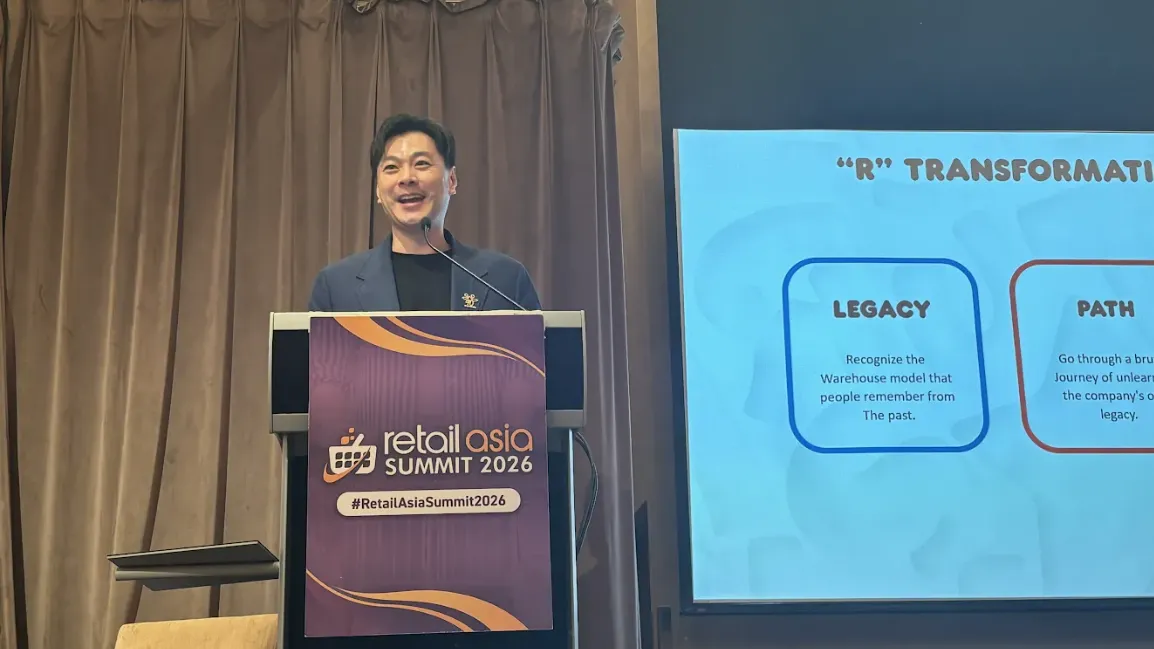
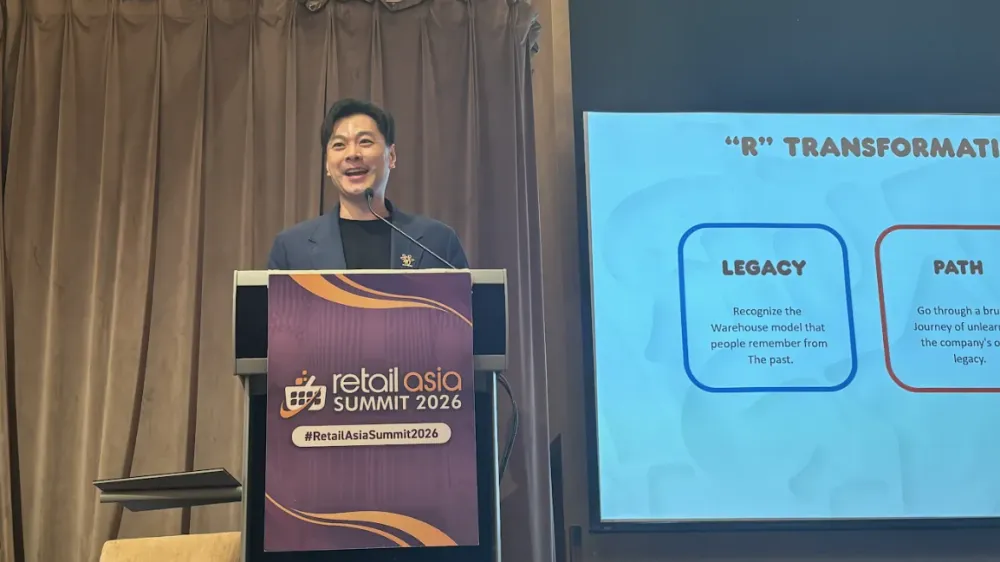
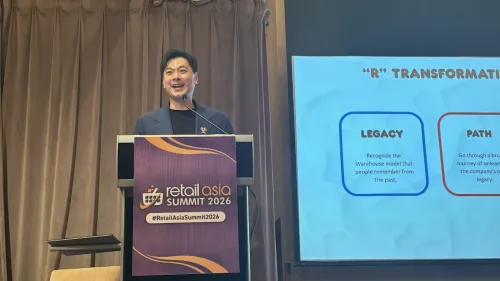
“Changing a store, changing the logo is relatively easy,” Johnny Mui, acting co-chief executive officer of Toys"R"Us Asia, said during the Retail Asia Summit 2026 in Hong Kong. “What we need to change before all this is the internal mindset.”
Mui said the retailer had been trapped by nostalgia. Parents who grew up with the brand knew the old Toys"R"Us, whilst children were ageing out of toys earlier and the collectables and kidult segments were booming.
Yet the business was still making decisions based on historical data, leaving its stores and merchandising looking outdated.
The company’s first step was to settle an internal divide. Mui said staff split into innovators who wanted everything new, long-serving staff who wanted to protect the past, and spectators waiting to see who would win.
The tests produced a shift in approach. A Christmas collaboration with an artist duo failed because the retailer put its own branding ahead of the partner’s.
The company now lets intellectual property partners such as Sanrio, Pokémon and One Piece lead, with the retailer acting as the stage.
On product, a trend-driven bag line ordered in large quantities at the lowest cost launched late and led to heavy write-offs. Accordingly, Toys"R"Us Asia now pilots trendy items in small volumes and scales only if they sell.
“Speed protects profit far more than just an initial cost,” Mui said.
Early on, major brands avoided the company because they still saw the old Toys"R"Us. It turned to smaller, more agile partners, including Miniverse, to prove its capabilities before winning over larger names such as Pokémon and Bandai.
“When you build the stage, the brands will come find you,” he said.













 Read Here
 Advertise
 Sign Up