Property market to have ‘modest’ recovery amidst CRE, bank pressures
Rising prices and transactions support cautious residential market rebound.
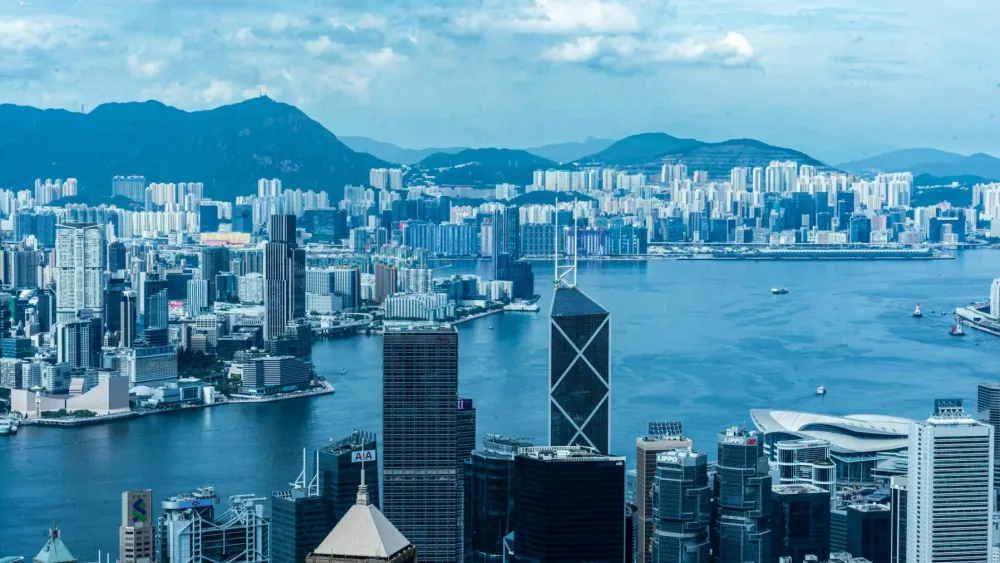
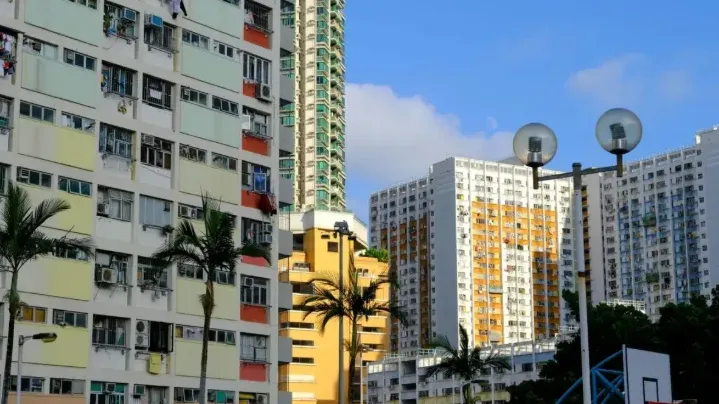
Hong Kong’s residential property market is projected to sustain a modest recovery amidst lingering macroeconomic uncertainty, according to Fitch Ratings.
Increases in prices and transaction volumes—supported by lower interest rates, positive wealth effects from a stronger equity market, and improving rental yields—are driving the recovery.
Demand for new immigration talent programmes has also increased, as the 2025 primary market sales volume reached the highest levels in more than a decade.
Ongoing developer incentives and a cautious outlook do not translate into a significant boost to fiscal revenue for the sector.
The commercial real estate (CRE) sector will sustain pressures, as office rents remain well below pre-pandemic levels due to high vacancy rates and structural shifts in long-term demand.
Developers are most likely to become selective in new residential land acquisitions, as these weigh on government land premium receipts.
CRE exposures remain a key risk for banks, especially those with significant lending to vulnerable small- and medium-sized borrowers, the report said.
The region’s banks are also likely to continue exercising caution, focusing on asset quality and underwriting standards rather than pursuing loan growth, even as residential mortgage activity picks up.
Funding, liquidity, and capital positions remain solid, despite the sector’s limited impact on boosting the property market.
Asset quality for residential mortgages is robust, but ongoing stress in weaker CRE segments is likely to persist.
Property stamp duties and land premium only accounted for about 5% of total revenue in the fiscal year ending March 2025, a nearly 30% drop from five years ago, falling under 1% of gross domestic product (GDP) from over 6% in the same period.
Fiscal reserves have steadied at around $640b in late 2025—about 20% of GDP—remaining below the peak of over 40%.
Large-scale infrastructure projects, such as the Northern Metropolis, will keep government expenditure and financing needs high.
The report said that challenges in broadening the revenue base without undermining the territory’s competitiveness will persist, as the government contends with rising spending needs over the medium term.


















 Read Here
 Advertise
 Sign Up