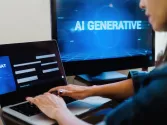
Six in 10 Hong Kong staff fear AI may erode critical thinking skills
Only 19% support the idea of AI agents operating in the background without human knowledge.
A majority of Hong Kong employees are optimistic about artificial intelligence (AI) in the workplace, but 60% express concern that its growing use may erode critical thinking skills.
According to a new report by Workday, whilst 81% of Hong Kong employees are comfortable working alongside AI agents, only 24% are comfortable being managed by one.
Just 19% support the idea of AI agents operating in the background without human knowledge. These figures point to clear boundaries that employees want to maintain between human and AI roles.
Although 97% of respondents in Hong Kong believe AI will help them be more productive and 86% see it as a driver of innovation, concerns remain. Beyond fears about reduced critical thinking, nearly half of employees also worry about increased workplace pressure (46%) and reduced human interaction (46%).
Trust appears to be closely linked to exposure. The report noted that whilst only 36% of global respondents in early stages of AI adoption trust their organisation to use AI agents responsibly, this jumps to 95% among those with greater implementation experience.
In Hong Kong, just 13% still believe AI agents are overhyped.
Meanwhile, in the finance industry—currently facing a talent shortage—78% of workers believe AI agents can help fill the gap. Common applications include forecasting and budgeting (43%), tax compliance (30%), and audit support (30%). Notably, only 9% of finance workers are concerned about job displacement due to AI.
Despite enthusiasm for productivity gains, many respondents hesitate to view AI agents as equal workplace participants. Only 37% consider them full members of the workforce, although 70% recognise their value as teammates.
Confidence in AI varies by task, with higher trust in areas like IT support and skills development, and lower confidence in high-stakes domains such as legal and financial decision-making.


















 Read Here
 Advertise
 Sign Up