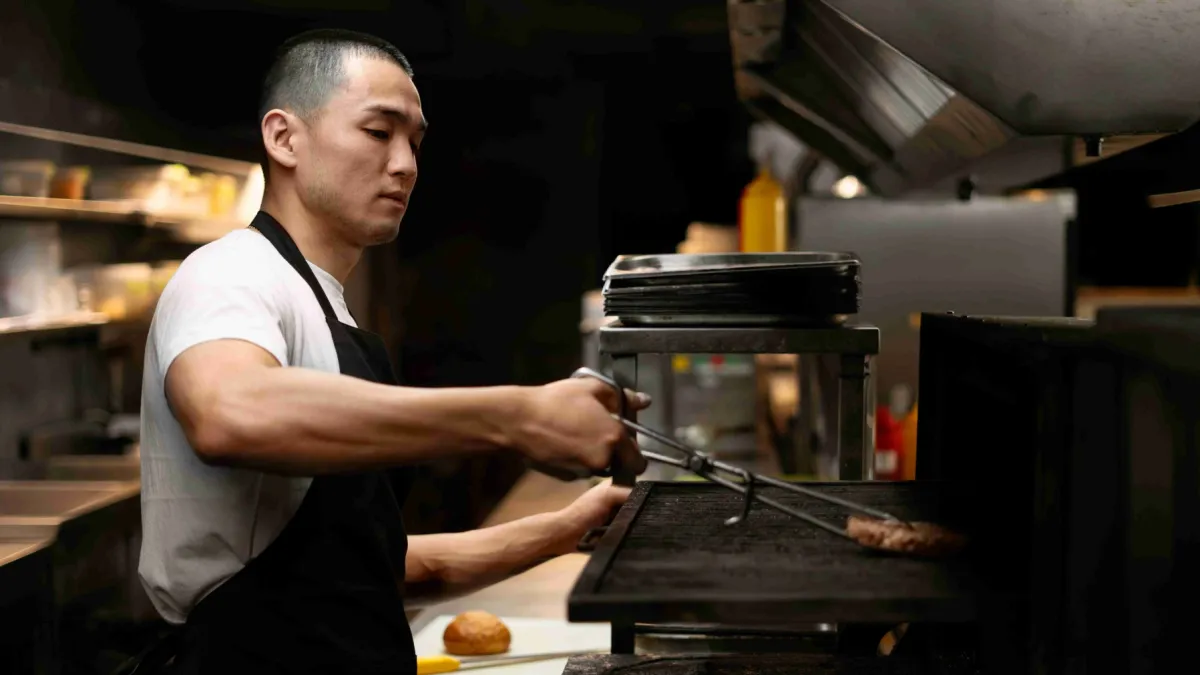
Hong Kong restaurants face tougher recipe for hiring
It could push operators to rethink pay and staffing.
Restaurants in Hong Kong may need to raise pay, improve work schedules and offer clearer career paths to retain local kitchen and front-of-house staff as tighter rules on imported workers increase their reliance on local hires.
The government in June raised the required ratio for selected food and beverage roles under Tier 2 from two local full-time workers for every imported worker to three. The change covers cooks, drink makers, waiters, receptionists, and cashiers.
Long hours, split shifts, and limited rest days make such roles less attractive to local workers, said Lancy Chui, senior vice-president at ManpowerGroup Greater China Ltd.
Employers may need to offer more competitive salaries, clearer overtime arrangements, stronger workplace safety measures, and better training and career paths, she said in an emailed reply to questions.
The rules also extend the local recruitment period for affected roles to six weeks. Employers must attend a Labour Department job fair once every two weeks during that period.
The longer recruitment process could leave restaurants short-staffed and disrupt operations even when they offer higher pay and benefits, said Suki Yuen, director of corporate team at PERSOL Hong Kong Ltd.
“The hiring cost is not just about money; there is also the time cost,” she told Hong Kong Business via Zoom.
Restaurants may need to adjust opening hours or staffing arrangements during the six-week recruitment period, she said. Some businesses have already reduced operating hours because of staff shortages.
Bill Lee, managing director for Hong Kong at JobsDB Hong Kong Ltd., said restaurants should recruit earlier and plan for staff departures rather than wait until vacancies become urgent.
F&B employers are competing with retail, hospitality, and other frontline industries for the same workers, he pointed out.
“To remain attractive, employers may wish to benchmark their pay and benefits against comparable roles in the market,” he said in an emailed reply to questions.
Restaurants could also redesign workflows to operate with fewer workers. Chui said digital ordering is one way to maintain service levels whilst reducing staffing needs.
Employers should assess which roles face the greatest pressure under the revised ratio and adjust hiring plans accordingly, she said.
Lee also advised restaurants to keep records of job advertisements, applications, interviews, and hiring outcomes.
Yuen said employers should complete required advertisements and Labour Department job fairs and check government guidelines to avoid application problems.



















 Read Here
 Advertise
 Sign Up