Digital Diplomacy in Practice: Fintech Associations from Europe and ASEAN Launch the EU–ASEAN Investment Gateway
After signing one shared Founding Memorandum in Kuala Lumpur, the signatories are turning the gaps named on stage into a working agenda for 2027.
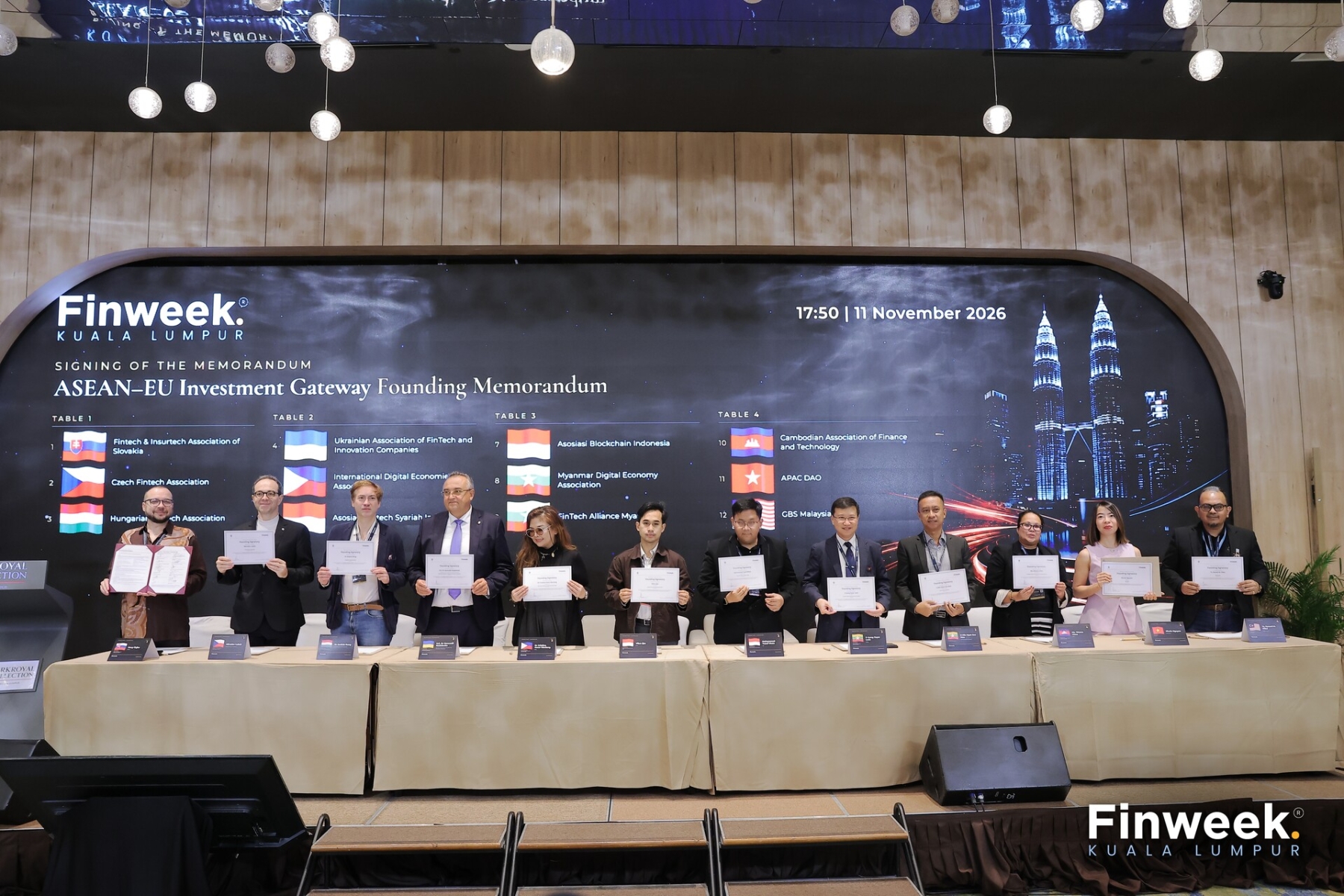
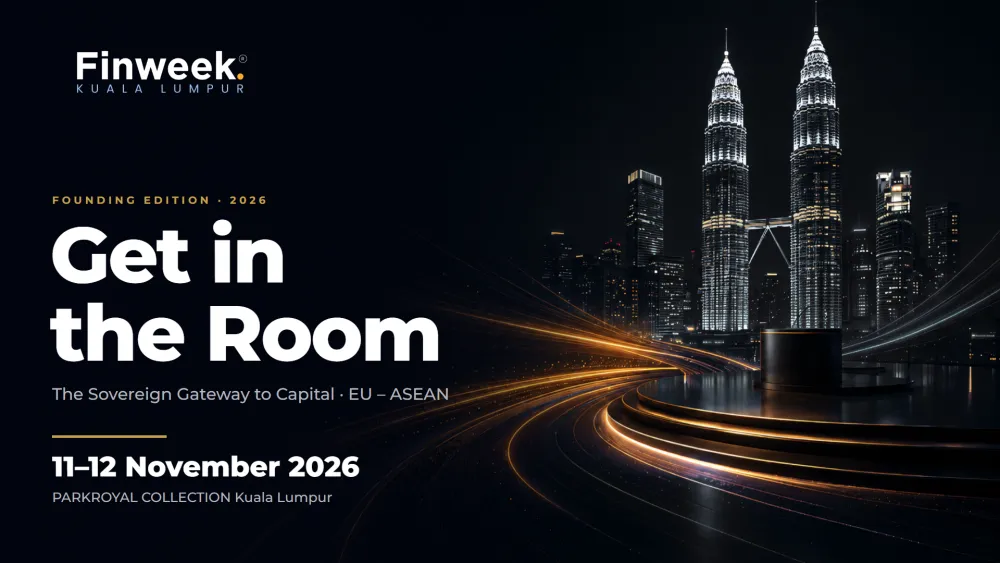
Eighteen fintech associations and networks from 12 countries in Europe and ASEAN have launched the EU–ASEAN Investment Gateway by signing its Founding Memorandum on 11 November 2026 at Finweek Kuala Lumpur 2026. Held at PARKROYAL COLLECTION Kuala Lumpur under the theme ‘Sovereign Gateway for Capital’, the summit convened more than 150 participants from 19 countries – regulators, ambassadors, association leaders, bankers, investors, and founders – and the European Digital Finance Association (EDFA) formally endorsed the memorandum.
Instead of separate negotiations country by country, the Gateway gives associations from both regions one shared framework to support each other’s members on their way into the other market. The initiative was created by Finweek and Fintech Valley Europe. The summit was co-organised with the International Digital Economies Association (IDEA), whose network spans 100 countries and which connected the summit with speakers from across ASEAN.
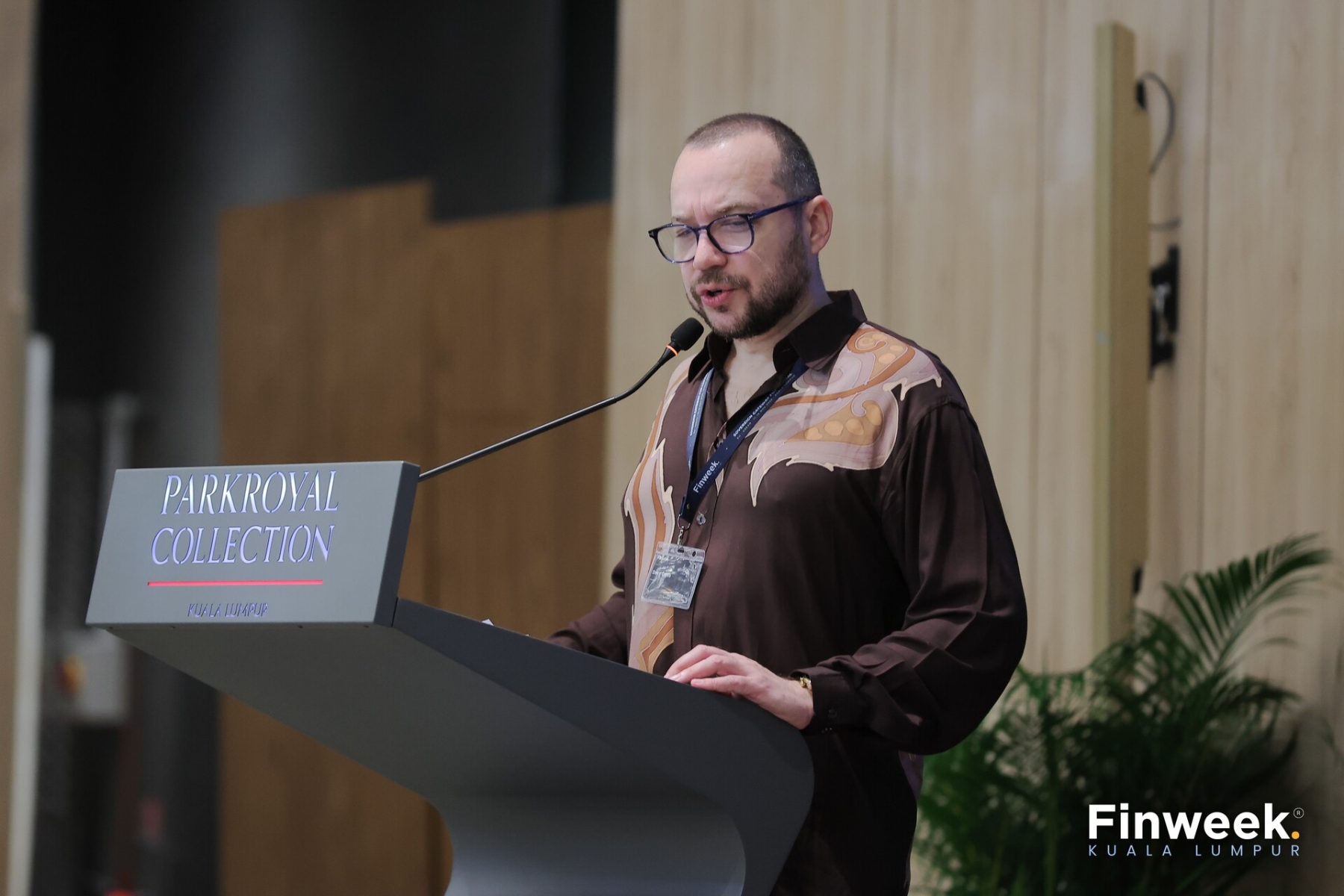
“Who has time today to negotiate for a year with twelve countries, one by one? Nobody,” said Davy Čajko, CEO & Founder of Finweek and President of FINAS, the Fintech & Insurtech Association of Slovakia. “That is why our associations signed one shared text. It is not a paper; it is a door for joint projects, companies and capital. That is digital diplomacy in practice.”
Why the corridor is needed now
Speakers gave four reasons why such a bridge between Europe and ASEAN is needed now.
Europe has ground to make up in ASEAN. Only about 16 per cent of investment in ASEAN comes from within the region, compared with 60 per cent in Europe, the opening fireside heard. Farah Jaafar, Global Advisor at Straits Investment Bank, said the EU as a group still has a lot to do to compete with other investors in ASEAN.
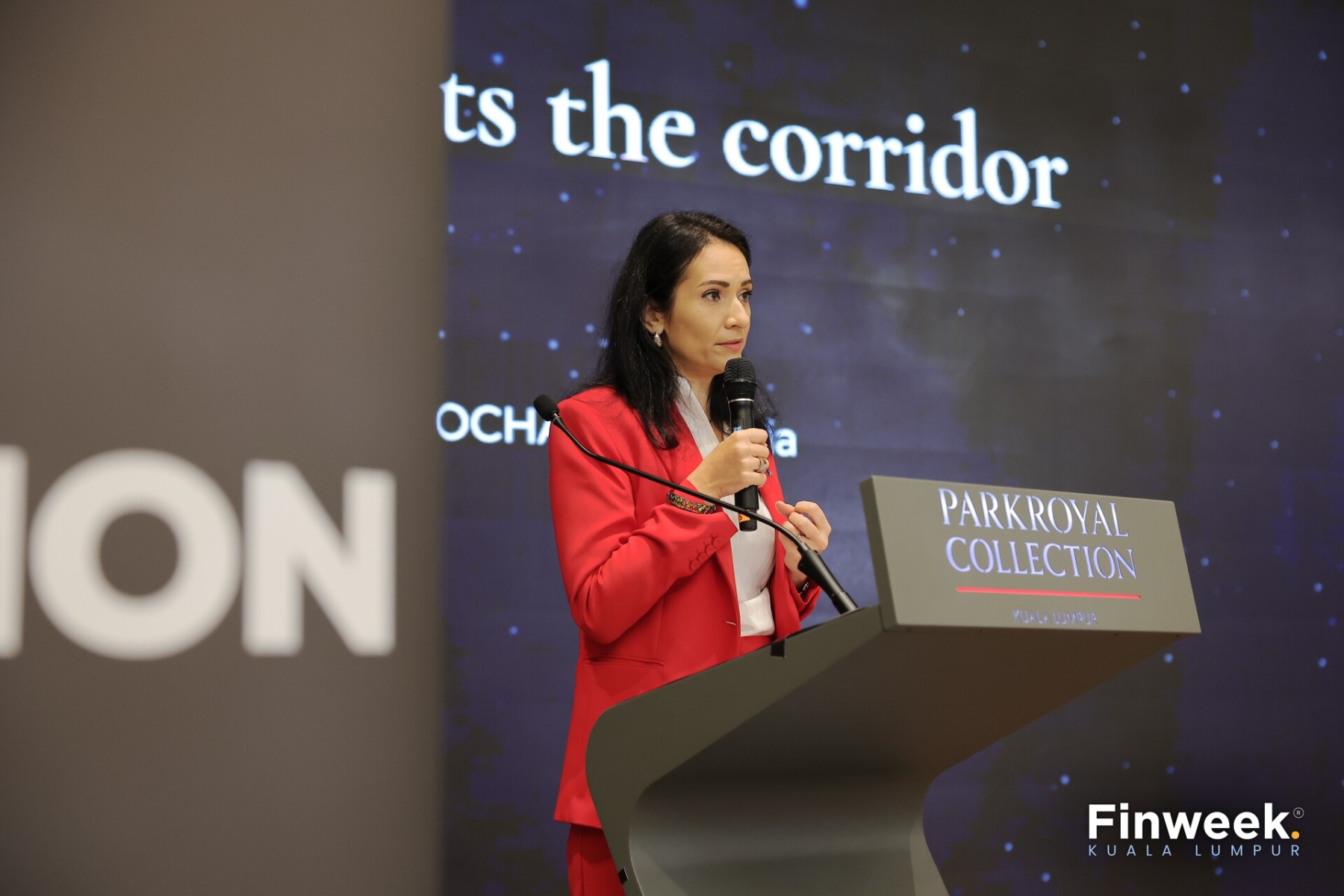
The rules are being written now. Kati Ferry, CEO of EUROCHAM Malaysia, noted that EU–Malaysia free trade talks aim to conclude in 2027 and that ASEAN’s digital economy could reach up to US$2t by 2030 under the ASEAN Digital Economy Framework Agreement (DEFA). Business, she said, wants the rules to be shaped together with it, not simply handed down.
Trust is infrastructure. Keynote speaker YBhg. Dato’ Ts. Dr. Haji Amirudin Abdul Wahab, Special Advisor (Cybersecurity & Digital Technology) to HH The Crown Prince of Selangor and former CEO of CyberSecurity Malaysia, described digital sovereignty as a capability, not isolation. Sam Majid, former CEO of Malaysia’s National AI Office, reminded the room that all fast cars have big brakes, and not because anyone wants to stop the car. Vikra Ijas, Vice Chairman of Indonesia’s AFSI, pointed to a concrete friction: insurers and pension funds want sukuk, yet a tokenised sukuk regulated in one country is not yet recognised across the border.
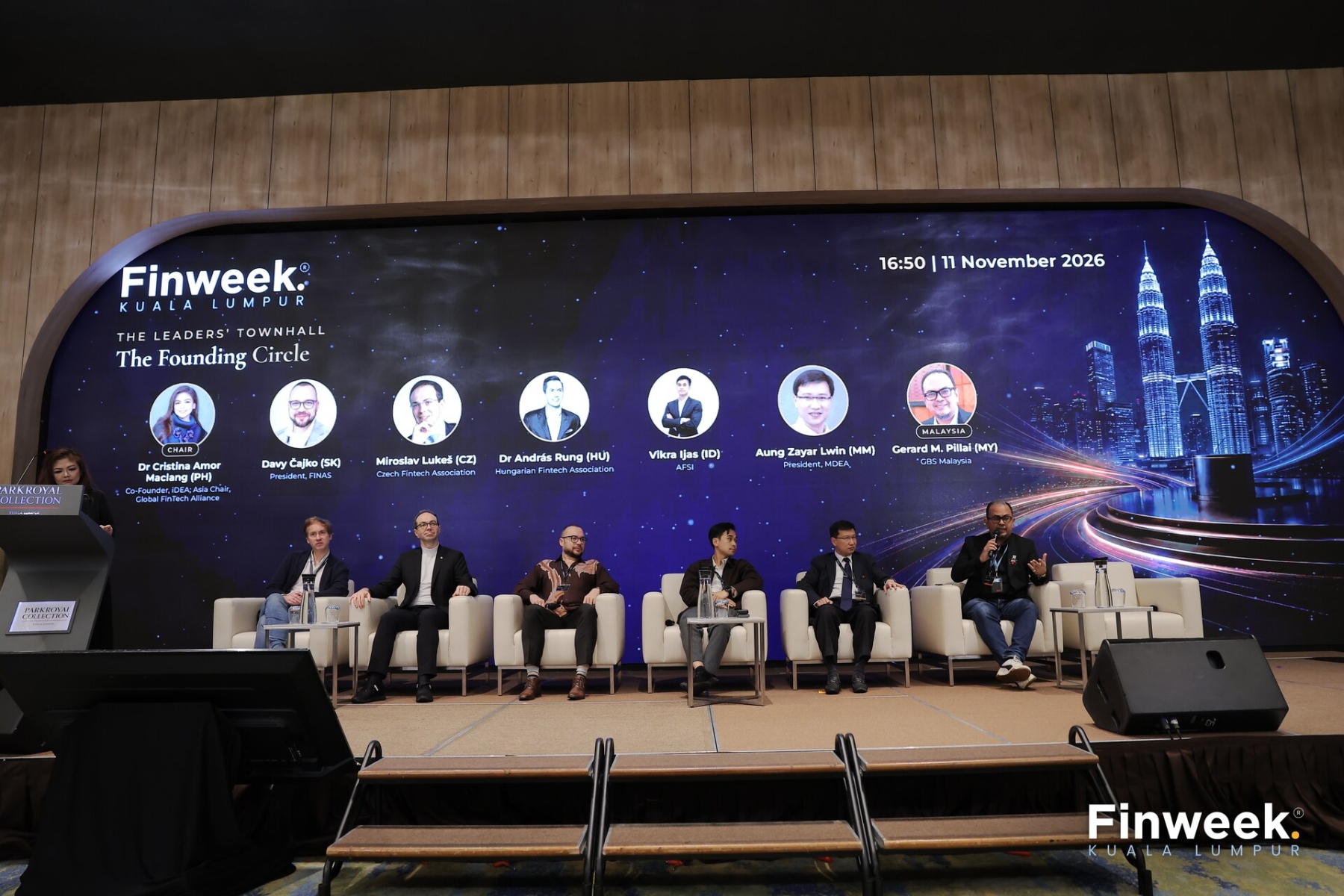
The first year decides. The Founding Circle, a panel of association leaders from Europe and ASEAN moderated by Cristina Amor Maclang of the International Digital Economies Association (IDEA), started from what a company entering a new market needs: more than an introduction – credible players, regulatory clarity, investor access, and a soft landing – and usually a year or longer to settle in. The leaders summed up what each side brings: Asian speed and scale, and Europe’s single rulebook for 27 countries. Alessandra Guion, Chair of the Board of EDFA, urged the signatories to treat ASEAN as a strategic partner rather than just a market by sharing market intelligence, introducing each other’s members and keeping a joint calendar.
From discussion to a working agenda
The programme also included welcome addresses by European and ASEAN embassies, sessions on tokenisation, payments and stablecoins, and a closed-door Regulators’ Table.
Europe’s rulebook as an entry point. “With MiCA, Europe moved from fragmented national rules to one framework with a single licence and EU-wide passporting. Together with the DLT Pilot Regime, now under review to help tokenised markets scale, this gives ASEAN innovators a clear entry point into Europe – and European firms experience they can share across the corridor,” said Martin Peter, Director of the Banking Department at the Ministry of Finance of the Slovak Republic.
Payments: the money is not the slow part. “The clearest point from the panel was that the money isn’t the slow part; everything around it is,” said Harpreet Singh Maan, President of ACCESS Blockchain Association Malaysia, who spoke on the payments and stablecoins panel. “A payment from Europe to a Malaysian supplier still hops between correspondent banks, waits for FX and repeats compliance checks at every step, which is why no one can guarantee it settles in seconds.” Malaysia, he noted, has already shown real value at home, from Khazanah’s tokenised sukuk to Maybank’s tokenised deposits, and the next step is making it work across borders. For 2027, he proposed three questions: who issues and supervises a stablecoin that moves from Europe into ASEAN, how regulators on both sides can check its reserves for themselves, and how to remove pre-funding so businesses can settle when they trade. “Instant payments and stablecoins aren’t competitors; they solve different problems, and the corridor needs both, connected to the systems businesses already use. The goal should be verifiability, not visibility: every party can prove what it did, and every regulator can check it.”
“Businesses across the corridor are already settling with stablecoins,” said Douglas Gan, the Singaporean founder of Sera.cx and winner of the Startup & Talent Showcase, who also spoke on the panel. “As more countries get their own local-currency stablecoins, the question is how they convert into one another without everything passing through the US dollar first. That FX layer is what the next year will be about.”
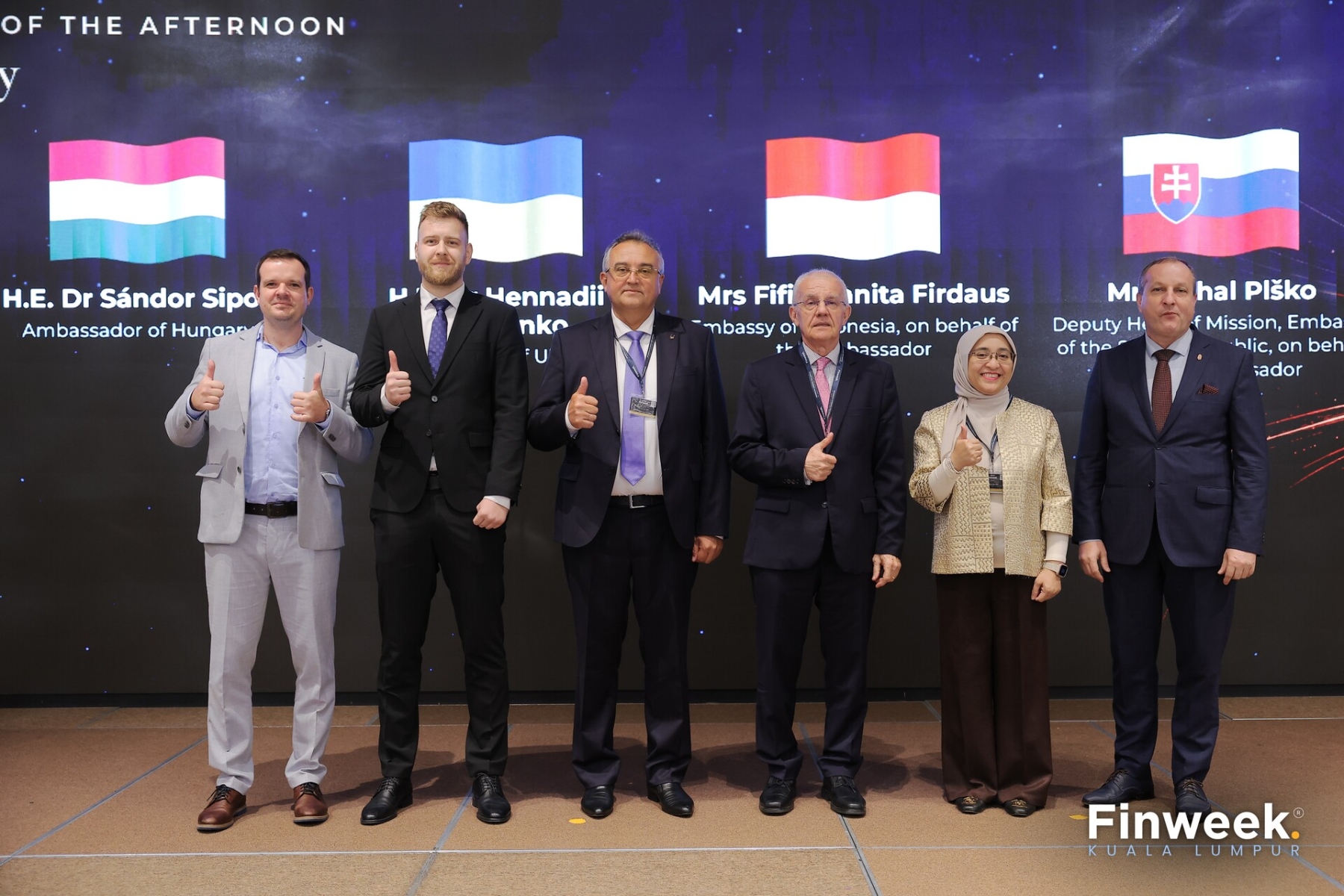
Embassies back the corridor. “The Embassy of Hungary in Kuala Lumpur welcomes the first edition of Finweek Kuala Lumpur; we sincerely believe that discussions on fintech cooperation will further diversify the bilateral relations between Hungary and Malaysia in the years to come,” said H.E. Dr Sándor Sipos, Ambassador of Hungary to Malaysia. “Europe and ASEAN have much to offer each other, particularly in finance and technology,” said Michal Plško, Deputy Head of Mission of the Embassy of the Slovak Republic, speaking on behalf of H.E. Peter Spišiak, Ambassador of the Slovak Republic to Malaysia. “For Indonesia, greater international engagement could open new markets for local fintech companies, attract investment, encourage technology transfer, and create opportunities for startups and Micro, Small, and Medium Enterprises (MSMEs),” said Mrs Fifi Afianita Firdaus of the Embassy of the Republic of Indonesia, speaking on behalf of the Ambassador. H.E. Dr Hennadii Nadolenko, Ambassador of Ukraine to Malaysia, added: “Ukraine’s fintech sector has shown its resilience during Russia’s full-scale invasion, helping families send money and businesses pay their staff despite repeated attacks on our power grid. That experience shapes the vision we want to share here in Malaysia and around the world: people should be able to count on digital payments even in a crisis. Through closer EU–ASEAN cooperation, we see an opportunity for Ukrainian and Malaysian fintech firms to put that vision into practice by investing together in reliable cross-border payments.” “Closer cooperation between the European Union and ASEAN countries in fintech, investment, and digital finance is a great opportunity for Czech companies, and I was glad to see Czech firms and the Czech Fintech Association take part in Finweek Kuala Lumpur 2026,” said H.E. Juraj Koudelka, Ambassador of the Czech Republic to Malaysia. From Czechia, the Czech Fintech Association signed the memorandum, took part in the Founding Circle and exhibited in the Expo Zone together with Czech companies Whalebone and Analytical Platform.
Landing Day in The Exchange 106. The day after the signing, on 12 November, a curated delegation of 39 summit participants spent Landing Day in TRX (Tun Razak Exchange), Kuala Lumpur’s international financial district. Floor by floor through The Exchange 106 tower, they saw business-setup and employer-of-record services, a 5G experience centre with smart-city and Industry 4.0 showcases, the Sky Lobby and serviced offices for companies entering the market, and closed the official programme with Malaysia’s blockchain community at Ampang Park. It turned the summit’s discussion into a practical answer to one question: how does a foreign company actually land in Malaysia?
These pain points now form the working agenda of the Gateway and the themes Finweek will take forward to its 2027 edition: cross-border recognition of tokenised assets, regulatory sandboxes that work across borders, local adaptation of European technology, lower first-contact costs for smaller companies, and a clear point of contact after the signature.
What happens next
Leaders Council. Every signatory holds a permanent seat on the ASEAN–EU Fintech Leaders Council, which will convene annually at Finweek.
Expansion Hub. Kati Ferry called the signing an important step and said its lasting value will come from the work that follows: connecting the next company, clarifying market entry and knowing whom to call when something goes wrong. To do that work together, Finweek and its partners are preparing the Expansion Hub, a practical platform with local partners for European companies entering ASEAN and ASEAN companies entering the EU single market, designed to cut the time and cost of that first contact.
Malaysia Fintech Radar. A research initiative of FINAS, the Slovak fintech association, with Universiti Kebangsaan Malaysia (UKM) and the University of Economics in Bratislava as academic partners; the first edition is planned for the end of 2027.
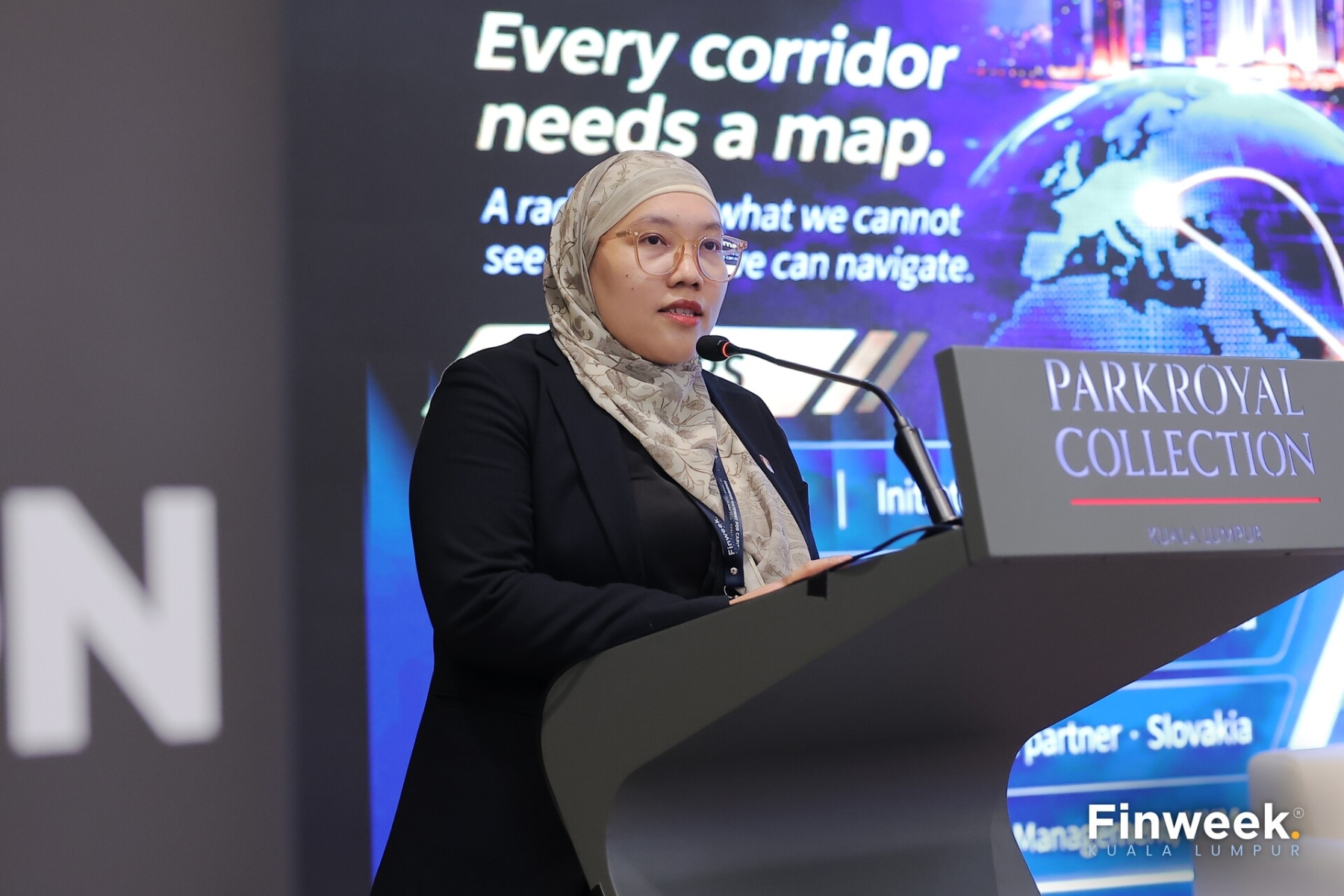
“The Malaysia Fintech Radar will give Malaysia and Europe a shared, evidence-based picture of the fintech ecosystem, so that partners on both sides can work together on data rather than on impressions,” said Dr Masrina Nadia Mohd Salleh, Senior Lecturer at the Faculty of Economics and Management, Universiti Kebangsaan Malaysia (UKM), who introduced the Radar at the summit.
Finweek Kuala Lumpur 2026 in numbers
Decision-makers on stage. Four in ten of the 60 speakers, from 17 countries, were CEOs, founders, or partners, and a quarter lead national or international associations and chambers.
Institutional weight. Three ambassadors, diplomats from five embassies, and regulators and public institutions from six countries.
Finance and advisory. Senior executives from Kenanga Group, Bank Simpanan Nasional, Straits Investment Bank, S&P Global Ratings, and EY.
Reach. More than 150 participants from over 70 organisations and 19 countries, including the 18 fintech associations and networks from 12 countries that signed the Founding Memorandum.
Networking. A full Founding Dinner of 80 guests and a curated delegation of 39 on Landing Day in TRX.
See you in 2027
The organisers thank all speakers, signatories, embassies, and partners: Expo Zone exhibitors AhaPay, Analytical Platform, the Czech Fintech Association, Saat Dimensi, and Whalebone; Landing Day host Infinity8; official media partners Asian Banking & Finance, The Asian Business Review, Singapore Business Review, and Hong Kong Business, alongside Etherscan and AlHuda Centre of Islamic Banking and Economics (AlHuda CIBE); and Official Islamic Finance Media Partner IFN (Islamic Finance News). Thank you also to all delegates in Kuala Lumpur for a candid, outcome-focused dialogue; the outputs of the discussions are now being compiled. Finweek Kuala Lumpur will return in 2027 – the year the EU and ASEAN mark 50 years of dialogue relations – with exact dates to be announced. Pre-registration is open at finweek.my/kl2027.
About Finweek
Finweek is an international fintech summit series founded by Davy Čajko that connects Europe with ASEAN. Finweek Kuala Lumpur 2026, convened by Finweek and Fintech Valley Europe and co-organised with IDEA, was the founding edition in ASEAN.













 Read Here
 Advertise
 Sign Up