Hong Kong's 'gold hub' position hinges on ecosystem players: FSDC
Geopolitical shifts could make Asia more attractive to precious metals investors and asset owners.
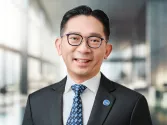
Hong Kong is seeking to strengthen its position as a gold hub by bringing together key players across the precious metals industry, said Rocky Tung, executive director of the Financial Services Development Council (FSDC).
On 28 September, FSDC brought together around 60 participants from over 50 companies across the gold value chain.
These included miners, refineries, transportation firms, storage providers, banks, insurers, asset managers, jewellers, tokenisation specialists, and other organisations.
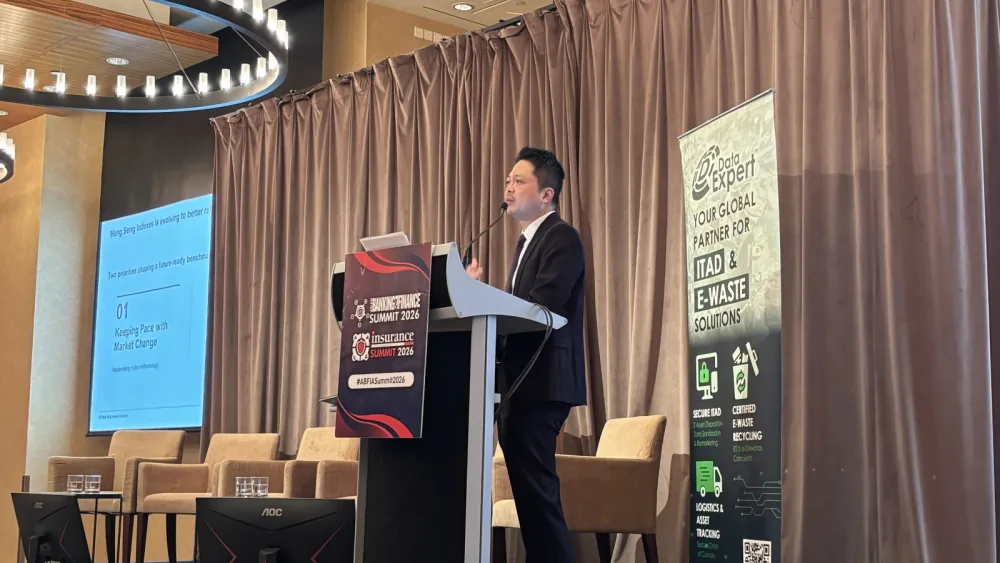
“As we wish to be a hub, if we don't have the presence of these ecosystem players, then it would be much harder for us to really climb the ladder,” Tung said in his keynote address at the Asian Banking & Finance and Insurance Asia Summit 2026 in Hong Kong
All participating companies have an existing business presence in Hong Kong, providing a foundation for the city's gold trading ambitions, Tung added.
He noted that geopolitical shifts could make Asia more attractive to precious metals investors and asset owners.
“In fact, if you think about India and China combined, Asia is essentially the biggest lover of precious metals such as gold,” he said.
Beyond gold, Hong Kong could explore opportunities in other commodities in high demand in the Mainland, including iron ore and natural gas, Tung said.
Tung also highlighted Hong Kong's efforts to strengthen its capital markets under the city's Five-Year Plan, positioning it as a bridge between the Mainland and international markets.
The FSDC's "Five-I Framework" identified issuers, investors, intermediaries, instruments, and infrastructure as the five priorities.
The framework followed consultations with around 600 industry participants, including senior executives from the banking, small and medium enterprises, and insurance sectors.
Tung said Hong Kong could broaden its investor base by attracting more long-term capital from insurance companies and pension funds.
The city could also expand its strengths beyond mutual funds into other investment vehicles, including hedge funds, private credit funds, and private equity, he added.
On financial infrastructure, he highlighted tokenisation and 24/7 settlement capabilities of tokenised central bank money as developments that could help Hong Kong remain competitive with other international financial centres.
He also emphasised Hong Kong's role as a financial gateway to China, allowing foreign investors to manage counterparty and capital flow uncertainties through instruments such as derivatives.












 Read Here
 Advertise
 Sign Up