Hong Kong faces five-year capital deficit as infrastructure spending peaks
Capital Account will remain in the red until 2031, driven by a massive infrastructure push that will be funded by a bond program.
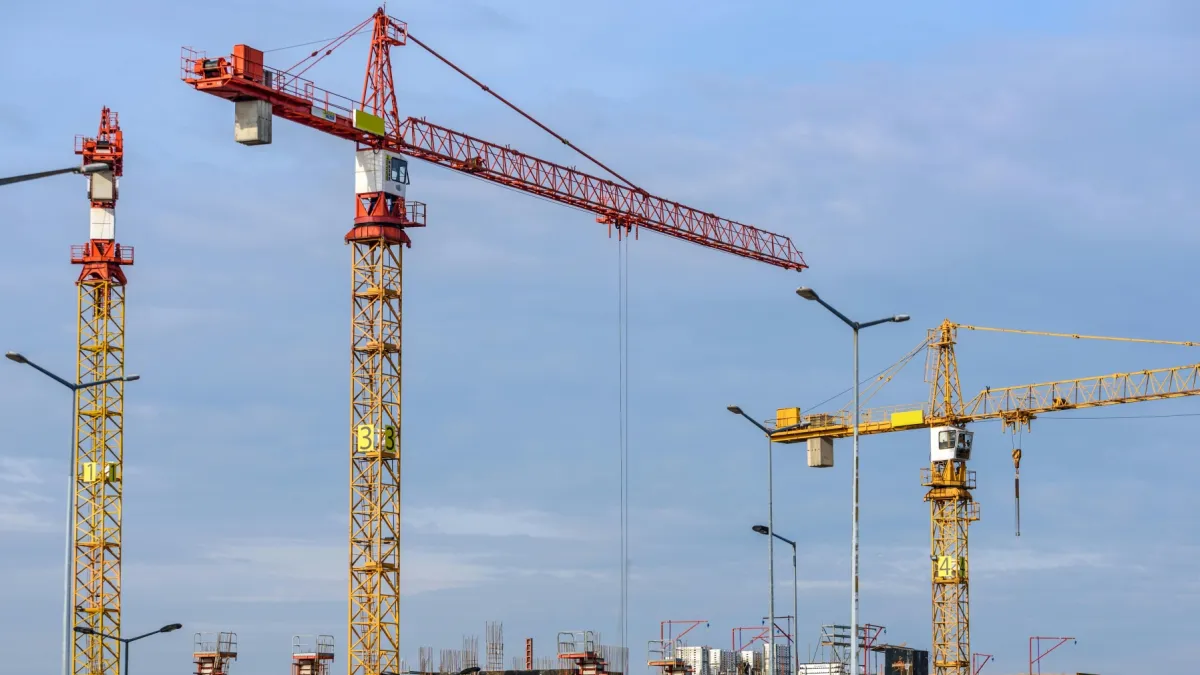
Hong Kong expects its Capital Account to remain in deficit from 2026-2027 through 2030-2031, driven primarily by sustained high expenditure on capital works projects.
During this same period, however, Financial Secretary Paul Chan noted in his 2026-27 Budget Speech that the Operating Account will register a surplus.
Given that the government considers infrastructure projects as an investment, Chan said financing needs will be met by increasing bond issuance.
The government plans to raise the total borrowing ceiling of the two bond programmes from $700b announced last year to $900b. About $160b to $220b worth of bonds will also be issued in each of the next five years, about half of which will be used for refinancing the short-term debts incurred in recent years.
Hong Kong aims to issue more longer-term bonds to align more closely the cash flow duration with project requirements.
“During the MRF period, the ratio of government debt to GDP will rise from 14.4% to 19.9%, which is a highly prudent level and well below that of most advanced economies. I would like to reiterate that proceeds from bond issuance will be used to invest in infrastructure only, but not for government recurrent expenditure,” Chan said.

















 Read Here
 Advertise
 Sign Up