Strong management drives purposeful, responsible growth – Forvis Mazars’s Ivan Chan
He emphasised that prioritising people, teamwork, innovation, investment, and sustainability empowers companies and strengthens Hong Kong’s sustainable business landscape.
In today’s fast-changing business world, leaders are expected to deal with new regulations, fast-moving technology, and higher expectations from stakeholders. In Hong Kong, strong management now means staying flexible, being transparent, and building teams and systems that can grow sustainably.
Offering expert perspectives is Ivan Chan, Head of Financial Advisory and Audit Partner at Forvis Mazars in Hong Kong, who brings over twenty years of experience in financial and accounting matters. He leads the firm’s financial advisory practice, overseeing key areas including due diligence, mergers and acquisitions, business valuation, and financial investigations.
In addition to his financial advisory expertise, Chan has built a strong reputation through his work on audit and IPO engagements across Hong Kong and Mainland China, advising a wide range of organisations, including multinational corporations, public and private companies, and not-for-profit entities across sectors such as financial advisory services, IT and high-tech, resources, manufacturing, retail, and distribution.
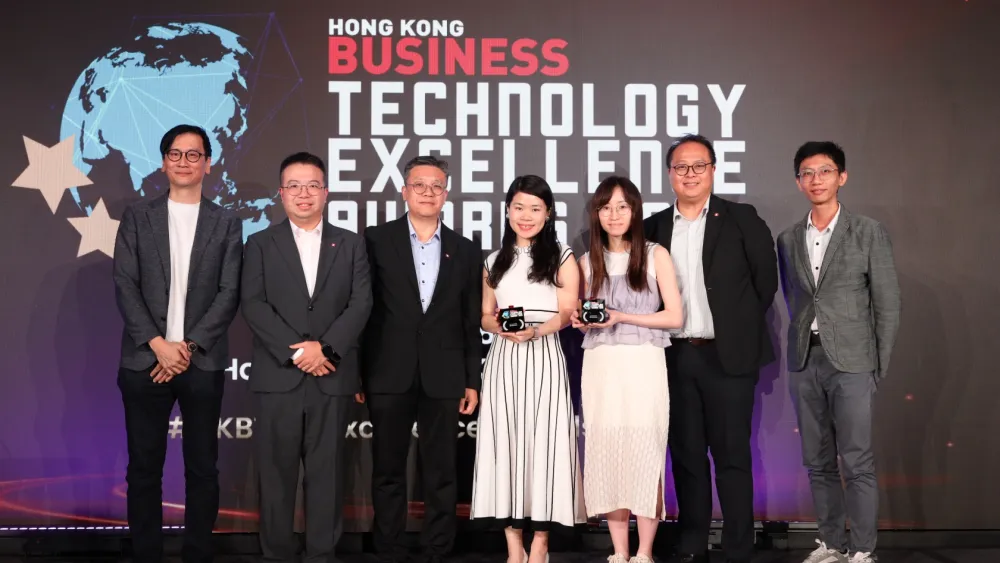
As a judge at the HKB Management Excellence Awards 2026, Chan shared insights on navigating global regulations, strengthening financial transparency, fostering innovation, and shaping the next generation of leadership in Hong Kong.
With your extensive experience, how do you see Hong Kong’s management landscape adapting to the increasing complexity of global financial regulations?
Hong Kong’s management scene has really shown how flexible it can be in facing the growing complexity of global financial regulations. From my experience, it’s clear that senior executives now understand that simply ticking compliance boxes isn’t enough to protect their organisations or keep an edge in the market. Instead, they’re shifting toward a more holistic and forward-looking mindset when it comes to regulatory challenges.
A big part of this shift involves building integrated risk management systems that connect compliance with bigger picture risks—strategic, operational, and reputational alike. These systems help organisations spot, evaluate, and tackle risks in today’s fast-moving and interconnected regulatory world. On top of that, management teams are investing more in cutting-edge tech like data analytics and artificial intelligence. These tools are crucial for real-time monitoring and predicting risks, which dramatically improves decision-making. Technology helps manage the sheer volume and complexity of regulatory data, letting firms spot compliance issues early and adapt quickly.
Another important trend is how Hong Kong companies are boosting the skills of their leaders and compliance teams by focusing on continuous training and professional growth. They know that mastering just local regulations isn’t enough—they need to understand regional and global rules too, reflecting Hong Kong’s key role in international finance. This means more cross-border teamwork with regulators, industry partners, and advisors to share knowledge, influence standards, and stay ahead.
Having strategic foresight is also becoming a game-changer. Many management teams are getting involved in scenario planning and stress testing to prepare for future regulatory changes or disruptions. This proactive approach not only helps keep them compliant but also opens doors to new opportunities in areas like sustainable finance and digital assets, which are transforming global markets.
In short, through integrated risk management, smart use of technology, ongoing skill-building, and strong collaboration, Hong Kong’s management is gearing up to thrive in an increasingly complex and fast-evolving regulatory landscape. This adaptive approach helps businesses stay resilient, credible, and competitive worldwide.
How can management teams strengthen financial transparency and accountability amidst rising stakeholder expectations?
It all starts with taking a well-rounded approach—one that puts these principles right at the heart of how the company is governed and operates every day.
First up, strong governance is a must. That means having solid internal controls that keep financial data accurate and trustworthy. Management needs to set up reliable checks and balances across all financial activities, using tools like advanced audit trails and risk management processes. These controls help catch any mistakes or irregularities early on, before they make it into the public reports.
Today, it’s not just about numbers—there’s growing value in using integrated reporting that combines financial results with environmental, social, and governance (ESG) information. This shows stakeholders that the company is serious about accountability on all fronts, not just finances.
Communication plays a huge role, too. Building trust means being open, timely, and clear with stakeholders—way beyond the bare minimum legal requirements. Regular updates, especially during uncertain times, plus honest conversations about risks and challenges, help create a transparent dialogue. This encourages feedback and helps everyone understand where the company stands and where it’s heading.
Creating a culture of accountability is equally important. Leaders have to lead by example and make sure transparency is part of everyday decision-making and behaviour throughout the entire organisation. This means clear roles, strong ethical standards, and performance systems that all support being open and accountable.
And let’s not forget technology. Tools like data analytics and blockchain can make financial information more accurate and easier to access. They also enable real-time reporting and reduce the chances of errors or misstatements, which adds another layer of confidence.
In a nutshell, strengthening financial transparency and accountability isn’t about just one thing. It’s about combining strong governance, global standards, open communication, a culture of accountability, and smart use of technology. Together, these build trust with stakeholders and help businesses succeed sustainably in today’s challenging environment.
In what ways can strong management practices foster innovation and sustainable growth across Hong Kong’s business community?
Strong management practices play a vital role in sparking innovation and driving sustainable growth across Hong Kong’s business community. When leadership teams focus on developing their talent, they’re not just filling roles—they’re cultivating a workforce that’s creative, skilled, and motivated to push boundaries. Encouraging cross-functional collaboration breaks down silos, allowing fresh ideas to flow between departments, which often leads to innovative solutions that a single team might never have come up with alone.
Another key aspect is investing wisely in research and development. By allocating the right resources here, companies create the space and tools their teams need to experiment and innovate, keeping them ahead in a competitive market.
Sustainability is increasingly becoming part of the strategic conversation. Companies that weave environmental care and social responsibility into their core planning aren’t just doing good—they’re building resilience and trust. This balance between short-term profits and long-term value is critical. Stakeholders today expect businesses to lead responsibly, and doing so often sets companies apart in Hong Kong’s fast-evolving ecosystem.
In essence, strong management that prioritises people, teamwork, innovation, investment, and sustainability creates a thriving environment where businesses don’t just grow—they grow responsibly and with purpose. This approach not only benefits individual companies but also helps shape a more dynamic and sustainable business community across Hong Kong.
How can companies enhance their agility and resilience to navigate evolving market dynamics and uncertainties?
In today’s fast-moving world, market conditions can shift in the blink of an eye. For companies, especially those in dynamic hubs like Hong Kong, being agile and resilient isn’t just a bonus—it’s a necessity. But what does that really mean in practice? How can companies build these qualities so they can not only survive but thrive amidst constant change?
Let’s start with agility. Think of agility as the company’s ability to move quickly and smoothly when market conditions demand it. It’s about cutting through unnecessary layers of decision-making so leaders and teams can act fast. This means creating processes that empower people at every level to make decisions when they need to, instead of waiting for lengthy approvals. Also, building a flexible workforce—whether that means cross-training employees or embracing remote and hybrid work—means the company can pivot its resources to meet new demands. On top of that, investing in real-time business intelligence tools is a game-changer. These tools provide up-to-the-minute insights, helping managers spot trends and challenges before they become crises, allowing the company to adjust course quickly.
Now, agility alone isn’t enough. The other half of the equation is resilience—the company’s ability to bounce back from setbacks and stay strong through disruptions. One way to boost resilience is by regularly stress-testing business strategies: simulating different scenarios like supply chain interruptions or sudden market downturns to see how the company would hold up. When weaknesses are uncovered, companies can adjust plans ahead of time instead of reacting under pressure. Another smart move is diversifying supply chains. Relying on just one supplier or region can be risky, so spreading those connections across different sources helps keep the wheels turning even when one link breaks. And underpinning all of this, fostering a culture where everyone—from top executives to frontline employees—is aware of risks and proactive about managing them makes a huge difference. When risk awareness is part of the company’s DNA, problems are spotted early, and the whole organisation stays prepared for whatever comes next.
Together, these strategies—streamlined decision-making, flexible workforce planning, real-time insights, stress testing, supply chain diversification, and a risk-aware culture—equip Hong Kong companies to be both nimble and robust. This means they can respond quickly when surprises hit and even seize new opportunities that arise from change.
Ultimately, building agility and resilience isn’t a one-time project but an ongoing journey. It requires continuous learning, adapting, and investing in the right people, processes, and technologies to keep pace with evolving markets and uncertainties.
Looking ahead, how do you foresee leadership and organisational culture evolving to shape the next generation of successful enterprises in Hong Kong?
Looking ahead, it’s clear that leadership and organisational culture in Hong Kong are set to change in some exciting ways. The leaders who will stand out in the next generation won’t just be those with strong technical skills—they’ll be the ones who bring emotional intelligence to the table. It’s about connecting with people on a deeper level to inspire real collaboration and trust.
Diversity of thought and experience will also become a defining feature of great leadership. Companies will seek out and value different viewpoints, backgrounds, and ideas because they know that’s what sparks creativity and drives innovation. Alongside this, ethical stewardship will take centre stage. Leaders will be expected to hold themselves and their organisations to high moral standards—not just doing what’s legal, but what’s right, and what benefits all stakeholders in the long term.
On the organisational side, we’ll see cultures that are more adaptive and inclusive becoming the norm. Rather than sticking to rigid hierarchies, companies will flatten their structures, empowering employees at all levels to contribute ideas and take ownership. This shift encourages quicker decision-making and a stronger sense of shared purpose.
Continuous learning will also be a big focus. In a rapidly changing world, the willingness and ability to learn, unlearn, and relearn will be crucial. Organisations will support this through ongoing training and by creating safe spaces where experimentation and even failure are part of the growth process.
Transparent communication will be the glue that holds it all together. Open dialogue fosters trust and allows for a healthy exchange of ideas, making the organisation more resilient when challenges arise. When people feel heard and informed, they’re more engaged and motivated to drive the company forward.
Put all this together, and you get a new kind of enterprise—one that thrives on innovation, is strong in the face of uncertainty, and remains true to its values. This is the kind of leadership and culture that will define success for Hong Kong’s businesses in the years to come.
As a judge for the Hong Kong Business Management Excellence Awards 2026, what key attributes will you look for in nominees that truly demonstrate management excellence?
When judging the Hong Kong Business Management Excellence Awards 2026, the key attributes I’ll be looking for in nominees go beyond just ticking boxes—they’re about real, impactful leadership and management that drives success and positive change.
First, vision is crucial. I want to see leaders who aren’t just reacting to the present but are thinking boldly about the future—those who foresee opportunities, challenges, and trends and can steer their organisations accordingly. Along with that, strategic agility matters a lot. It's about how quickly and thoughtfully a company adapts when market conditions shift or new challenges arise. Those who can pivot without losing sight of their long-term goals truly stand out.
Strong governance is another cornerstone. It's not only about having rules and processes in place but about making sure these frameworks actively support transparency, accountability, and sound decision-making. This sets the foundation for consistent success.
Measurable outcomes are important too. I’ll be paying close attention to real results—solid financial performance that shows the business is thriving, genuine engagement with stakeholders that reflects trust and partnership, and meaningful steps towards sustainability that demonstrate responsibility beyond profits.
But management excellence is also about people and culture. I’m keen to see nominees who inspire their teams to excel, foster a culture where high performance is the norm, and create workplaces where ethics and integrity are non-negotiable. It’s these factors that sustain long-term success and build reputations.
Finally, adaptability, integrity, and innovation are qualities that will make a nominee shine. The business world is evolving rapidly, and those who maintain strong moral principles whilst embracing new ideas and technologies are leading the charge toward tomorrow’s success.
In short, the companies that truly exemplify management excellence are those that blend visionary leadership, nimble strategy, solid governance, measurable success, ethical culture, and a forward-thinking mindset. These are the businesses that will inspire us all at the awards and set the benchmark for Hong Kong’s business community.













 Read Here
 Advertise
 Sign Up