August retail sales plunge in worst performance on record since 1998
Sales crashed 23% in August, worse than that recorded during the Asian Financial Crisis.
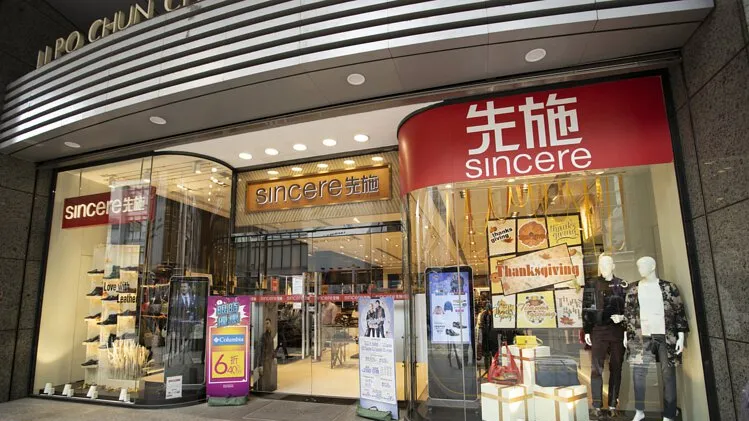
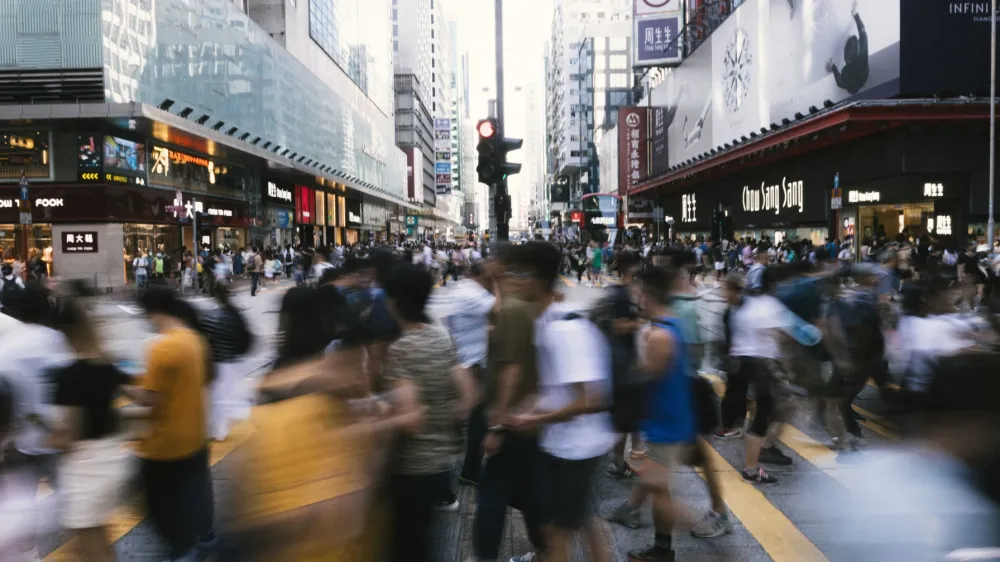
Hong Kong’s retailers recorded their worst performance in history as sales plummeted 23% to $29.4b in August, according to the Census and Statistics Department (C&SD). This is the steepest decline recorded for a single month and is graver than those recorded during the height of the Asian Financial Crisis in September 1998.
Also read: Retail sales fall 11.4% to $34.4b in July
For the first eight months of 2019, retail sales has so far declined 6%, surpassing analysts’ estimates just three months ago.
Sales will likely “remain in doldrums” in the near term amidst deteriorating social conditions and slowing tourism numbers, a government spokesperson commented.
“Apart from the weak consumer sentiment amidst subdued economic conditions, the plunge in August mainly reflected the severe disruptions to inbound tourism and consumption-related activities caused by the local social incidents,” he added.
Bank of America Merrill Lynch Global Research also said that retail sales will likely further decline for the whole year. “We do not expect a turnaround in retail sales before year-end 2019 and are concerned about higher unemployment rate,” the report stated.
Netting out the effect of price changes, the provisional estimate of the volume of retail sales diminished 25.3% YoY in August compared to a year earlier.
Also read: Year-end retail sales may fall by up to 8.1% as protests ravage Hong Kong
Sales of luxury goods continued to be dismal in August, with C&SD reporting a 47.4% YoY decrease in the value of sales of jewellery, watches and clocks, and valuable gifts. Medicines and cosmetics as well as commodities in department stores also recorded large declines as the values of sales fell by 30% YoY and 29.9% YoY, respectively.
Other sectors that recorded declines include the sales of food, alcoholic drinks and tobacco (-0.3% in value); electrical goods and other consumer durable goods, not elsewhere classified (-15.4%); wearing apparel (-33.4%); motor vehicles and parts (-15.6%); books, newspapers, stationery and gifts (-2.5%); furniture and fixtures (-7.4%); footwear, allied products and other clothing accessories (-26.0%); Chinese drugs and herbs (-25.5%); and optical shops (-26.0%).
On the other hand, the value of sales of commodities in supermarkets as well as fuel prices rose by 1.9% and 0.4% YoY, respectively, during the month.
Photo courtesy of Wikimedia Commons.





















 Read Here
 Advertise
 Sign Up