RT HealthTech turns lab robotics into affordable exosuits
It aims to bring assistive technology to everyday users.
Hong Kong startup RT HealthTech is commercialising university-developed robotics to make wearable mobility support systems that hospitals, rehabilitation centres, and eldercare facilities can afford.
The company, which started in 2024, builds on research by founder Raymond Kai-yu Tong, a biomedical engineer and professor known for developing low-cost robotic rehabilitation systems for stroke patients and children with cerebral palsy.
“We’ve developed many useful technologies at the university—robotic systems for upper and lower limbs and even artificial muscles to help kids with cerebral palsy and stroke patients walk again,” Tong told Hong Kong Business.
XoBrace, RT HealthTech’s flagship product, is a wearable knee-support exosuit that helps walking and reduces joint strain. The startup also offers XoMuscle, a soft, fabric-based actuator system that uses air pressure to mimic human muscle movement.
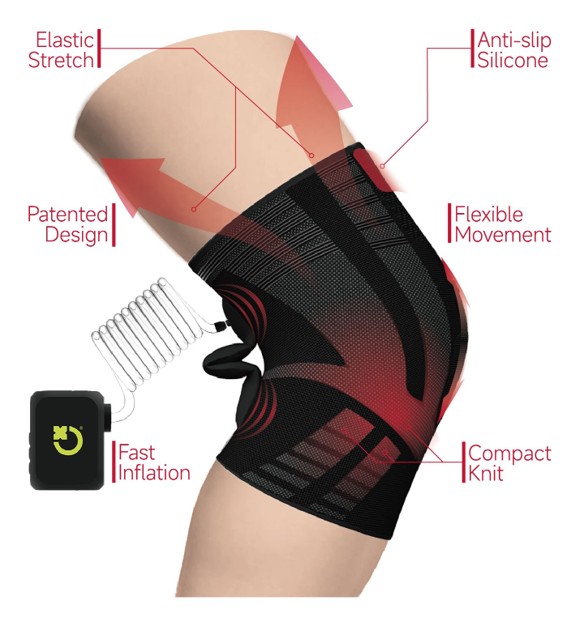
“With air pressure, just 100 grams of artificial muscle can generate about five kilograms of force—it’s powerful, easy to wear, and safe to use,” Tong said via Zoom.
Unlike earlier robotic projects that stayed within hospitals, the startup aims to bring assistive technology to everyday users.
“We talked to many elderly people—they’re not patients, but they have knee pain or less muscle strength,” Tong said. “They want to stay active and improve their quality of life, so instead of labelling the product as a medical device, we designed it as a healthcare product.”
RT HealthTech sells its products for about $1,165 (US$150)—a fraction of the cost of similar robotic devices that cost $233,000 (US$30,000) to $3.1m (US$400,000). “We’ve made it more affordable because we want everyone to be able to use it for muscle support.”
With initial funding of about $1.6m (US$200,000), the company is producing devices in small batches for rehabilitation centres, clinics, and eldercare providers. Tong said the business is profitable whilst prioritising quality control.
The startup stands out for handling both research and production in-house, a move Tong said allows faster commercialisation than traditional university licensing models.
“In the past, our lab licensed technology to other companies,” he said. “Now, by having our own startup, we can launch products directly and move faster.”
RT HealthTech plans to integrate brain-computer interface (BCI) technology that lets users control robotic systems with their thoughts.
“We’re developing brain-controlled robots,” Tong said. “In the next four to five years, users can wear a cap that detects their intentions, and if they think about moving their right arm, the robot will move.”
He added that the tech has entered lab testing and could mark the next step in making rehabilitation and mobility support smarter and more intuitive.




















 Read Here
 Advertise
 Sign Up