Stock recovery hinges on China’s economic rebound, CGSI says
Export strength alone will not sustain gains without wider economic improvement in China.
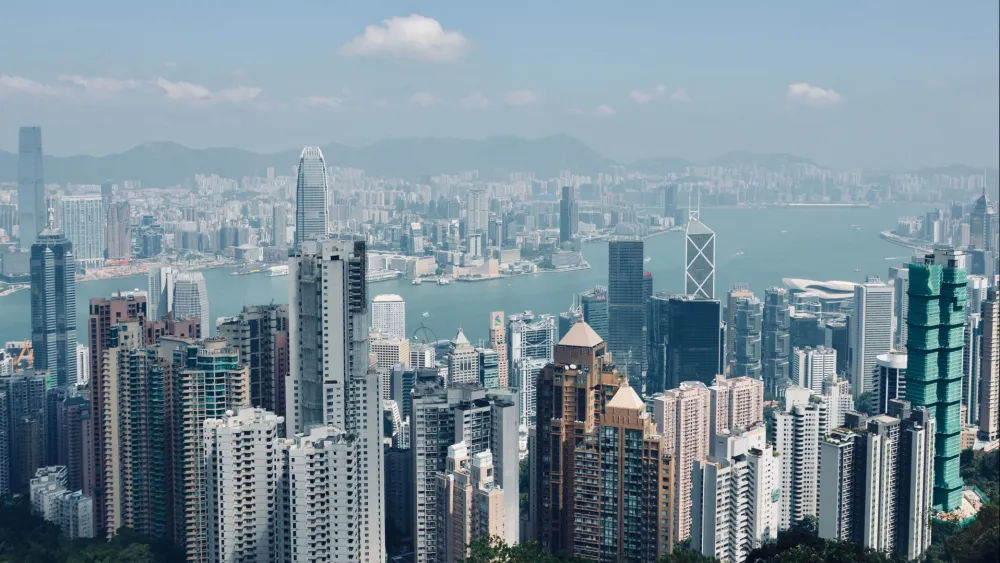
Hong Kong stocks are becoming more attractively valued after June's sharp sell-off, but a lasting recovery will depend on a broader improvement in China's economy rather than lower share prices alone, according to CGS International (CGSI) research.
The Hang Seng Index fell 9.2% in June, whilst the MSCI China Index dropped 7.6% in US-dollar terms, making Hong Kong one of the weaker-performing markets in Asia during the month.
The brokerage said the recent decline has made valuations more attractive. The Hang Seng TECH Index is now trading well below its long-term average, suggesting downside risks are easing.
However, CGSI said investors will need to see stronger corporate earnings, supported by a more balanced economic recovery in China, before the market can stage a sustained rebound.
"A more sustainable recovery in the Hong Kong stock market will likely require a broader-based improvement in earnings outlook. Such an outcome, in our view, hinges on a more balanced and inclusive macroeconomic recovery, rather than the current K-shaped dynamic," the report said.
Recent economic data showed China's recovery remains uneven.
Exports continued to grow, helped by demand linked to artificial intelligence (AI) investment, but retail sales recorded their first year-on-year decline since the pandemic.
Investment in fixed assets, such as infrastructure and factories, also weakened.
CGSI expects government spending to pick up from the third quarter as local governments issue more bonds and roll out previously announced stimulus measures.
The brokerage also expects investors to shift towards sectors with stronger earnings prospects after the recent market correction.
It identified biotechnology companies as potential beneficiaries because of their earnings outlook and more attractive valuations.
Investor sentiment was also affected by slower investment flows into Hong Kong stocks and the US Federal Reserve's more hawkish stance on interest rates, which reduced appetite for riskier assets.
Despite weaker trading in the stock market, Hong Kong's IPO market remained active. CGS said 24 companies listed in June, with newly listed firms recording an average first-day gain of 74.1%, based on the brokerage's calculations.





















 Read Here
 Advertise
 Sign Up