Q3 GDP growth accelerates to 5.2% on strong external demand
Private investment rose 11.6%, whilst goods exports grew 30.3% in real terms.
Hong Kong's economy expanded by 5.2% year-on-year (YoY) in the third quarter (Q3), accelerating from a revised 4.2% growth in the preceding quarter, according to the government.
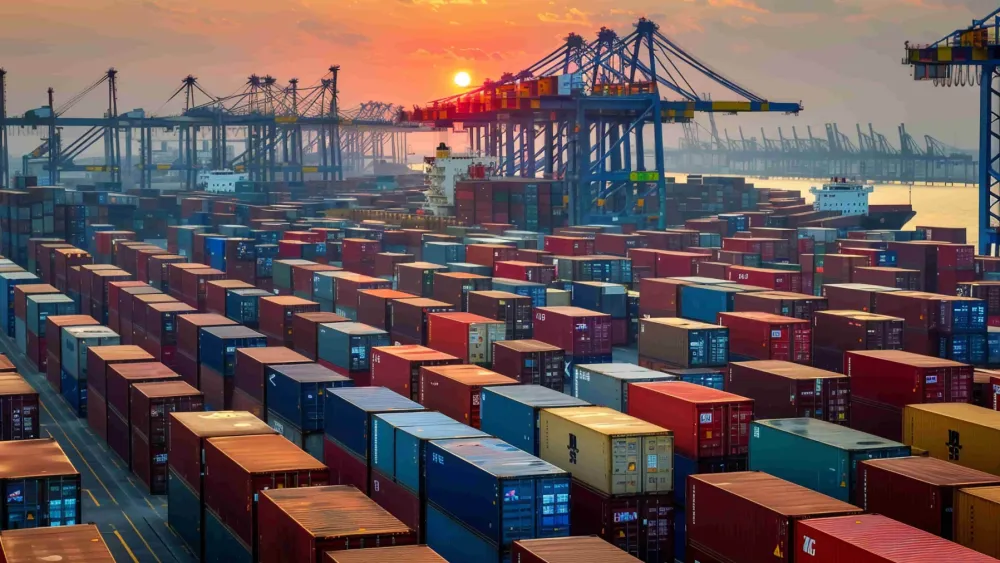
Total goods exports rose by 30.3% in real terms, up from 28.9% in Q2. The government attributed the increase to strong global demand for artificial intelligence (AI) related electronic products.
Exports of services also expanded by 4.3% YoY, compared with 3.2%, as all major service groups recorded growth.
Domestic demand remained positive, with private consumption expenditure increasing by 2.9% YoY. Overall investment expenditure rose by 7.5%, up from 3.7% in the previous quarter.
Private-sector investment increased by 11.6% in Q3, driven partly by a 19.8% increase in spending on machinery, equipment, and intellectual property products.
However, public-sector investment declined by 1.8% YoY.
The government said the labour market remained broadly stable, although the seasonally adjusted unemployment rate edged up to 3.9% from 3.7% in Q2. Median monthly employment earnings increased by 3.1% in nominal terms.
Underlying consumer price inflation also rose to 2% from 1.7% on higher fuel-related prices.
Seasonally adjusted, quarter-on-quarter, real GDP rose 1.9%, reversing a 0.7% contraction in Q2.
For the first nine months, GDP grew by 5.1% YoY, the fastest pace for the corresponding period in five years.
The government expects economic growth to remain supported by AI-related trade, tourism, cross-boundary financial services, and private-sector investment. However, it cautioned that risks to the growth outlook remain tilted to the downside.
“Although the US midterm election results have raised hopes of de-escalation, prolonged geopolitical tensions in the Middle East could intensify global inflationary pressures and affect major central banks’ monetary policy paths,” it said.
The government also cited rising sovereign bond yields, potential trade tensions, and a possible market correction if expectations for AI prove too optimistic as downside risks to the economic outlook.





















 Read Here
 Advertise
 Sign Up