262 views
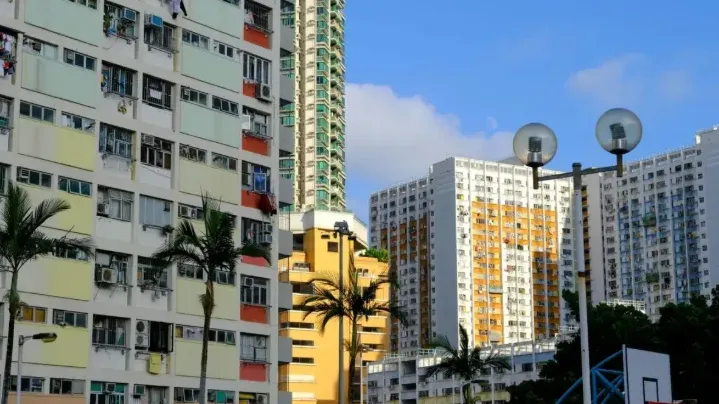
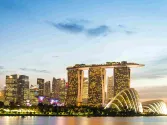
Photo by Manson Yim from Unsplash

Hong Kong ranks second most expensive city for high-net-worth individuals

It ranks behind Singapore.

Hong Kong is the second most expensive city globally for high-net-worth (HNW) individuals to live comfortably.

The city ranks behind Singapore (1st) but ahead of other APAC cities like Shanghai (4th), Bangkok (12th), Jakarta (14th), and Tokyo (23rd).

According to Julius Baer, Hong Kong is the second most expensive city for property prices and the costliest place to engage a lawyer.

Hotel suite prices in Hong Kong saw a year-on-year (YoY) increase of 22.9% in USD and 22.7% in HKD.

On the flip side, purchases such as champagne are the least expensive for HNW individuals in Hong Kong, whilst whisky prices decreased by 18.8% in USD and 18.9% in HKD.
Follow the link for more news on

Join Hong Kong Business community
Since you're here...

...there are many ways you can work with us to advertise your company and connect to your customers. Our team can help you design and create an advertising campaign, in print and digital, on this website and in print magazine.

We can also organize a real life or digital event for you and find thought leader speakers as well as industry leaders, who could be your potential partners, to join the event. We also run some awards programmes which give you an opportunity to be recognized for your achievements during the year and you can join this as a participant or a sponsor.

Let us help you drive your business forward with a good partnership!

Top News

HKIA rises to 8th busiest int'l airport but remains 14% below 2019 capacity
Despite recording the highest seat growth of any major hub in 2025, the facility is still chasing its pre-pandemic peak.
Aviation
Cash hoarders forfeit $140,000 to stagnant 2% bank yields
Investors holding cash since January 2021 generated only $30,000 compared to $170,000 in portfolios.
HK triples data pipeline as AI sparks $3t supercycle
AI inference requirements are forecast to surpass training as the dominant infrastructure demand by 2027.