Retailers face pressure to rethink consumer engagement
AI and personalisation reshape retail, but human service remains vital.
Retailers must rethink how they engage consumers as artificial intelligence (AI), changing shopping habits, and demand for more personalised experiences reshape the industry.
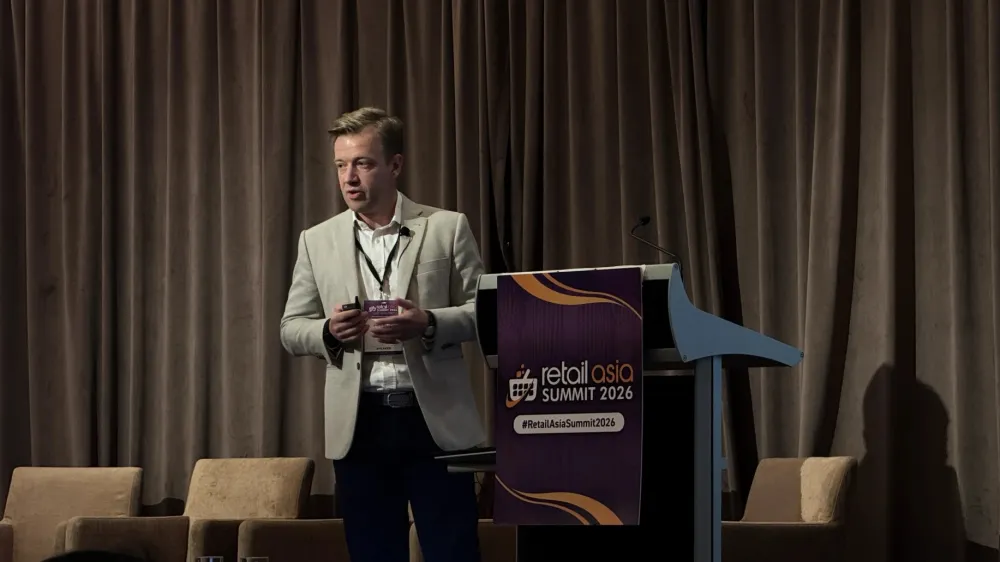
“AI is an accelerator rather than a substitute,” Vincenzo Carrieri, CEO of Canali, said at a panel discussion during the Retail Asia Summit 2026 in Hong Kong, stressing that brands need to develop their own strategies for using the technology.
Sean Seah, SVP of strategy, technology and innovation at Langham Hospitality Group, said AI can support different stages of the group’s customer journey, from arranging airport transfers to remembering guest preferences, and retrieving forgotten belongings.
However, Nelson Choi, CEO of G2000 (Apparel) Limited, said retail has lagged behind other industries in technology adoption.
“Businesses must be more willing to experiment and accept risks as successful transformation also requires a shift in organisational culture,” he added.
For G2000, Choi said the retailer uses platforms such as WhatsApp, LINE and WeChat to maintain relationships with shoppers, whilst AI can help employees serve customers more effectively.
Mathilde Bétinas, business development and partnerships director at OnTheList, said physical retail remains an important touchpoint even as shopping becomes increasingly digital.
“We use customer segmentation based on brands, product categories, channels and seasonality to tailor our offers,” she said.
OnTheList serves different demographic groups through weekly changing brands and promotions, Bétinas said, highlighting the importance of understanding customer preferences rather than relying solely on age-based assumptions.
Choi also said physical stores and e-commerce complement each other, noting that G2000's experience in Chinese cities suggests that physical outlets can support online sales.
For premium brands, the panellists said that the challenge extends beyond integrating sales channels to giving customers reasons to engage with them.
Alessandro Tomio, managing director for Hong Kong and South Asia Pacific at Lacoste, said product quality, brand heritage, personalisation and experiences help strengthen customer relationships.
Lacoste has extended its brand presence through initiatives such as its café concept and Club Lacoste at W Bali. Its Hong Kong cha chaan teng capsule collection also draws on local culture to connect with consumers.
Carrieri said food and beverage outlets can serve as additional brand touchpoints, although each company needs to determine how these fit into its positioning.
“The luxury market is becoming increasingly polarised, with the highest and lowest segments proving more resilient whilst the middle market faces greater pressure,” Carrieri added.
Looking ahead, the panellists agreed that retail will continue to evolve rather than disappear, with Choi saying the sector would need to transform to meet changing consumer expectations.















 Read Here
 Advertise
 Sign Up