Hong Kong’s Northern Metropolis may reshape GRE sector: report
The project could cost more than $360b and increase borrowing by government-related entities.
Northern Metropolis could transform the city’s government-related entities (GREs) as they take on larger roles, higher spending, and more debt to support the project, according to S&P Global Ratings.
The ratings agency said the Northern Metropolis is expected to be Hong Kong’s largest infrastructure project, potentially costing more than $360b over the next five to six years.
S&P said the government is likely to reduce the direct fiscal burden by funding many projects through GREs and bringing in private investors.
Hong Kong authorities had previously estimated $225b in spending for site clearance, formation, and basic infrastructure. S&P expects the amount to rise due to higher construction costs and a wider project scope.
The agency estimates that GREs could spend about $140b over the next few years as they take on projects such as science parks, technology and innovation hubs, university campuses, railway lines, and housing.
The Northern Metropolis is also expected to support Hong Kong’s push to diversify its economy into innovation and technology.
S&P noted that the city’s research and development spending accounts for only 1.1% of GDP, whilst technology contributes 5.8% of GDP, compared with 20% to 40% in Shenzhen and Beijing.
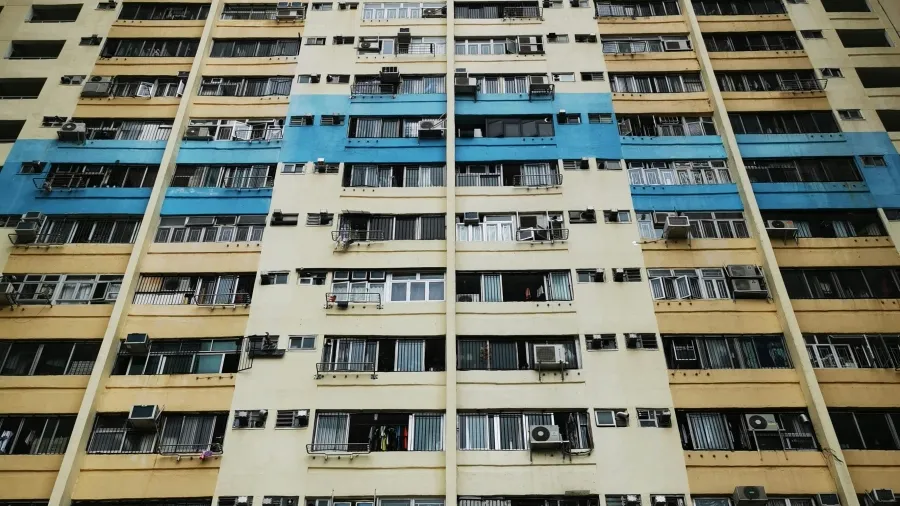
The development could also help address Hong Kong’s land and housing constraints, with the area expected to accommodate about 2.5 million residential units by 2040, up from just below one million currently.
S&P said funding will come from several channels, including the Infrastructure Bond Programme, capital injections, loans, GRE borrowing, and private investment. Officials have estimated that the bond programme could issue $160b to $220b over the next five years.
MTR Corp. is expected to be one of the key GRE participants. S&P estimated that it has already committed about $60b for rail and property projects in the zone over the next five to six years.
Science park operators and universities are also expected to play major roles, with projects such as San Tin Technopole, The Loop, Yuen Long South, and new higher education facilities planned in the area.
S&P said government support, including equity injections, land contributions, and tax incentives, will help support GRE's credit strength even as financial positions weaken during the investment phase.











 Read Here
 Advertise
 Sign Up