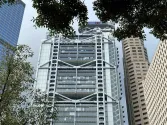
Strong export growth offset by weak PMI and external pressures
PMI fell to 49.3, signalling weaker external orders and contraction.
The trading sector showed early signs of stabilisation in the first quarter, supported by stronger export performance but tempered by weakening external demand and geopolitical uncertainty, according to Colliers Q1 2026 Market Report.
Export values rose by 29.6% in the first two months of the year, driven by robust electronics shipments and steady demand from Mainland China. This helped offset broader volatility in global trade conditions.
However, momentum softened in March as the Hong Kong Purchasing Managers’ Index (PMI) fell to 49.3, slipping below the expansion threshold and ending a five-month growth streak. The decline reflected weaker overseas new orders and rising uncertainty linked to ongoing Middle East tensions.
In the leasing market, activity increased quarter-on-quarter, but most transactions were renewals rather than expansions. Continued supply-side pressure led landlords to offer modest concessions to retain tenants. As a result, industrial rents declined 2.3% quarter-on-quarter and 9.1% year-on-year.
Looking ahead, geopolitical risks, especially potential oil price spikes, could increase costs for manufacturers and logistics operators, weighing on profitability.
Industrial rents are expected to decline around 5% by end-2026, with landlords likely to expand incentives such as enhanced fit-out support, air-conditioning installations, and more flexible lease terms to maintain occupancy levels.
Despite short-term pressure, structural demand drivers remain intact. A key development is the awarding of the Sandy Ridge data centre site to a Mainland operator, representing an estimated $23.8b investment.

















 Read Here
 Advertise
 Sign Up