Hong Kong’s energy efficiency improves across sectors despite fluctuating energy use
EE Index declined across sectors as CO₂ emissions and capital formation drop.
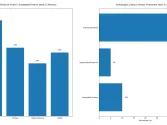
Hong Kong’s overall energy efficiency fell to 25 in 2021 from around 53 in 2001 indicating improved efficiency, according to the Asian Productivity Organization (APO) Productivity Outlook 2026.
This comes as GDP growth remained generally higher than energy-use growth, which fluctuated sharply during the period, with notable negative spikes in 2004, 2010, and 2020, the report found.
By sector, the manufacturing EE Index declined amidst repeated periods of negative GDP growth in 2001 to 2003, 2009, and 2020, falling overall as energy use contracted more strongly than GDP.
The services sector saw moderate GDP growth whilst energy use fell substantially in 2002, 2004, 2010, and 2020, resulting in a gradual decline in its EE Index.
Agricultural energy use fell sharply in 2005, 2008 to 2010, and 2018, while GDP growth remained mostly modest, contributing to a steady reduction in the EE Index for the sector.
Environmental and structural metrics show carbon dioxide (CO₂) emissions decreased from roughly 40 million tons in 2001 to around 33 million tons in 2021. Gross capital formation fell from 27.6% to 16.8% over the same period, whilst energy efficiency continued to improve.


















 Read Here
 Advertise
 Sign Up